

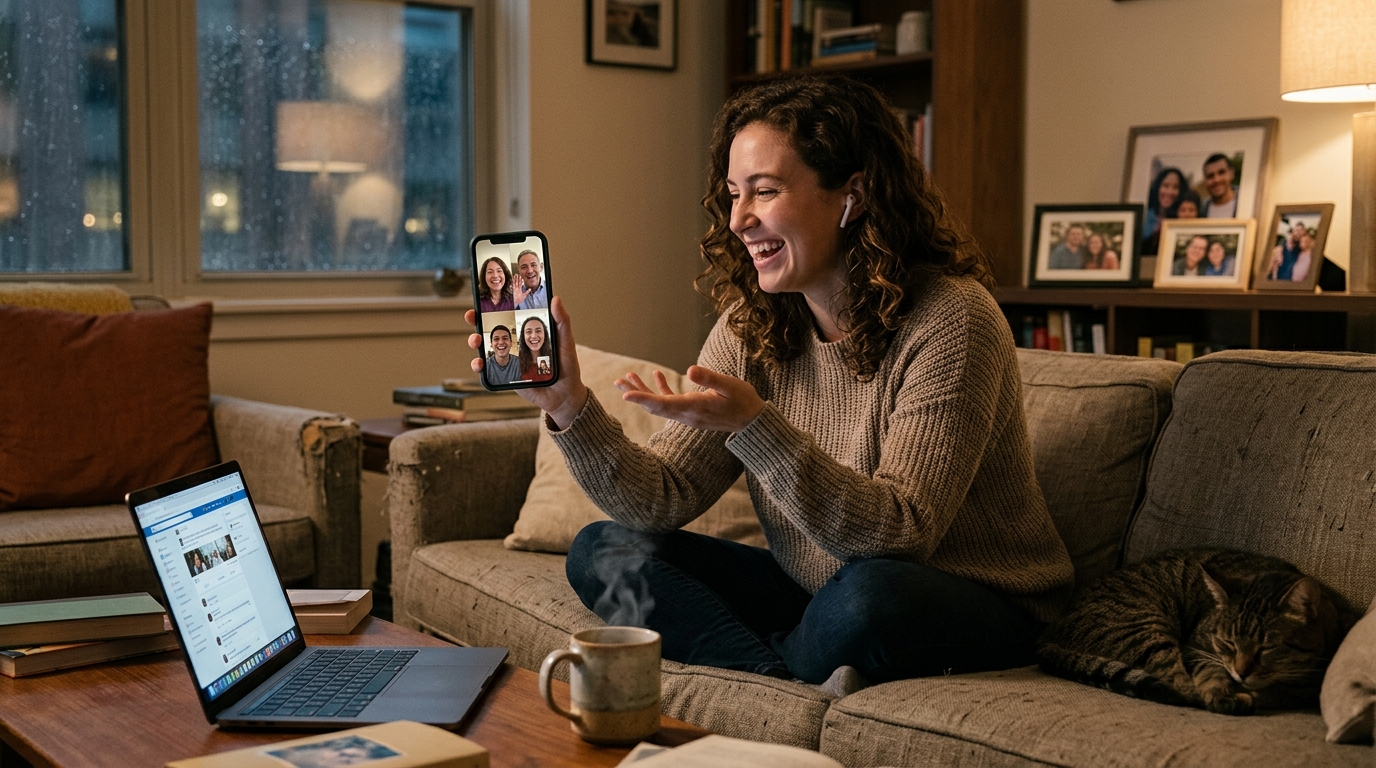
Social Networking in Maintaining Relationships is powerful because it helps people stay visible, responsive, and emotionally present. It does not replace real-life connection, but it extends it in ways that fit modern life. Social Networking in Maintaining Relationships gives friends, families, and partners more chances to stay in touch, support each other, and preserve shared history. It turns small interactions into ongoing connection.
Social media has changed the way people stay in touch, but its real power is not just in fast messages or shared photos. Its deeper value appears when people use it to preserve trust, continuity, and emotional closeness over time. Social Networking in Maintaining Relationships matters because modern life is busy, spread out, and often fragmented. Friends move to new cities, families live apart, and daily routines leave less room for long conversations. In that reality, Social Networking in Maintaining Relationships becomes a bridge that keeps small moments connected into one ongoing relationship.
The emotional side of connection is often built through repeated contact, not grand gestures. A quick reply, a birthday message, a shared memory, or a reaction to a post can reassure someone that they still matter. Social Networking in Maintaining Relationships supports this sense of presence, especially when people cannot meet often. It gives relationships a rhythm that feels casual, but it also helps maintain consistency. That consistency is what makes bonds feel alive instead of fading into silence.
For many people, Social Networking in Maintaining Relationships is not about replacing real-life connection. It is about extending it. A relationship does not disappear between visits, and digital tools help people prove that. Through simple online habits, people can protect closeness, reduce distance, and keep relationships moving forward in a natural way.
Why Digital Contact Matters in Human Connection
Human relationships are built on recognition, responsiveness, and memory. When someone remembers a detail, reacts to a life update, or checks in after a busy week, the message is clear: you are still part of my world. Social Networking in Maintaining Relationships works because it makes these signals easier to send more often. Instead of waiting for a special occasion, people can interact in small, steady ways that feel light but meaningful.
This matters because relationships weaken when contact becomes too rare to feel personal. Social Networking in Maintaining Relationships reduces that gap by offering low-effort but high-frequency interaction. A photo comment may seem small, yet it can reopen conversation, revive an old friendship, or keep family members from drifting too far apart. Even when the exchange is brief, the repeated pattern creates familiarity and warmth.
Another reason Social Networking in Maintaining Relationships works so well is that it supports different levels of closeness. Some people want daily conversation, while others only need occasional contact to feel secure. Digital platforms make both possible. They allow relationships to breathe without demanding constant attention, which makes them easier to maintain for people with different schedules, personalities, and communication styles.
The Emotional Value of Staying Visible
One of the most important parts of Social Networking in Maintaining Relationships is visibility. People often feel closer to others when they can see what is happening in their lives, even in small pieces. A shared moment, a vacation photo, a graduation update, or a simple status can help others feel included. That feeling of inclusion matters because relationships often survive through awareness as much as through conversation.
When people are visible to each other online, they can stay emotionally connected even when they are physically apart. Social Networking in Maintaining Relationships allows people to witness growth, change, struggles, and celebrations without needing formal updates every time. This reduces the feeling of starting over whenever they reconnect. Instead, the relationship continues in a shared stream of everyday life.
It also helps people feel remembered. Social Networking in Maintaining Relationships often gives reassurance during seasons when life is hectic, lonely, or uncertain. A like, a reply, or a supportive comment may not solve everything, but it can create a sense of being seen. That sense of visibility is powerful because it supports emotional security. When people feel seen, they are more likely to stay invested in the relationship.
Communication Becomes Easier and More Frequent
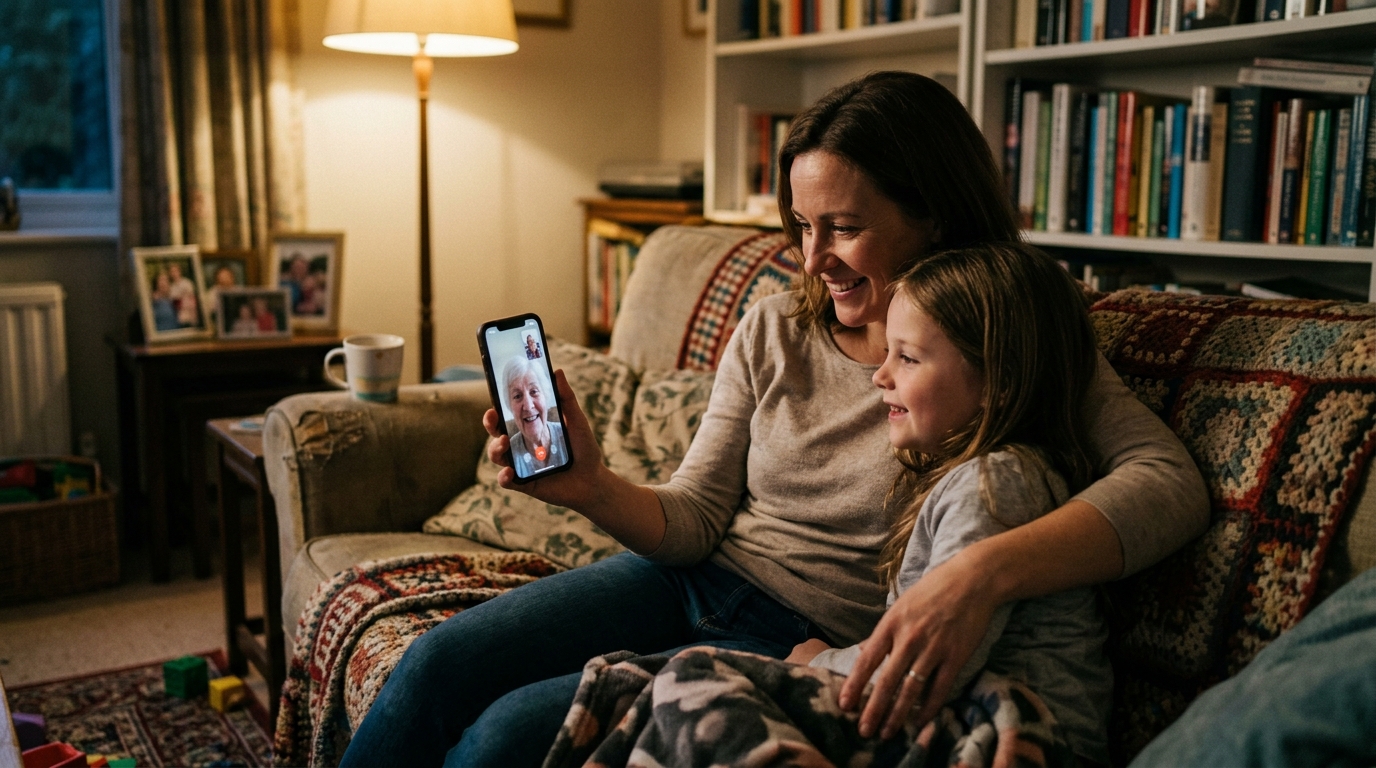
Many relationships do not end because of conflict. They fade because communication becomes inconvenient. Social Networking in Maintaining Relationships helps solve that problem by lowering the effort needed to connect. People no longer need to wait for long calls or formal meetings to say something kind, ask a question, or share a thought. That convenience matters because frequent contact helps keep a relationship fresh in memory.
The value of this ease shows up in everyday moments. Someone can share a joke, send a quick voice note, react to a story, or ask how a day went. Social Networking in Maintaining Relationships gives people more chances to communicate in ways that fit real life. Instead of depending only on serious conversations, the relationship can grow through a constant flow of small interactions.
This flexibility also reduces pressure. Not every connection needs a long message or a scheduled call. Sometimes a short interaction is enough to maintain the bond. Social Networking in Maintaining Relationships works well because it meets people where they are. Busy professionals, students, parents, and long-distance relatives can all use these tools in ways that fit their routines while still staying emotionally close.
How Digital Habits Build Lasting Bonds
Strong relationships rarely depend on one perfect conversation. They grow through repeated actions that show care over time. Social Networking in Maintaining Relationships supports this process by making everyday habits part of relationship maintenance. Checking in regularly, remembering important dates, and sharing useful updates all help create stability.
A good digital habit is responsiveness. When people reply reasonably soon, the relationship feels alive. Another habit is intentional engagement. People who comment thoughtfully or ask follow-up questions often build stronger bonds than those who only react passively. Social Networking in Maintaining Relationships becomes more effective when people use it with purpose instead of scrolling without connection.
Shared routines also matter. Some friends message each other every morning, while family members may have a weekly video call or a standing group chat. Social Networking in Maintaining Relationships is especially strong when these routines become familiar and comfortable. The repetition creates trust, and trust creates emotional safety. Over time, these habits make relationships feel dependable even when life becomes unpredictable.
Role of Social Networking in Real-Life Friendships
The role of social networking in maintaining relationships is especially clear in friendships. Friends often live busy lives, and many friendships fail simply because no one takes the first step to reach out. Social Networking in Maintaining Relationships helps solve this by making contact easier and more natural. A friend can send a meme, share an update, or ask about work without needing a formal reason.
Friendships also benefit from shared digital spaces. Group chats, private messages, and social feeds allow people to stay part of each other’s lives even when they do not meet often. Social Networking in Maintaining Relationships helps friends preserve the feeling of closeness that might otherwise fade after school, college, or a career change. This is especially valuable when schedules do not match.
The role of social networking in maintaining relationships is also emotional. Friends often rely on each other for encouragement, humor, and perspective. Digital communication helps keep those support systems active. A simple message can turn into a deeper conversation, and that conversation can remind both people that the friendship is still important. Even when the interaction is brief, it can still strengthen the bond.
Family Connections in a Busy World
Families often struggle with distance, time zones, and different life stages. Social Networking in Maintaining Relationships gives families a practical way to stay aware of each other’s lives without needing constant long phone calls. Parents can see updates from children, siblings can follow each other’s milestones, and extended family can stay informed with less effort. That awareness reduces emotional distance.
The importance of social networking in modern relationships is easy to see in family life because family bonds usually rely on consistency over many years. People may not speak every day, but they still want to feel connected. Social Networking in Maintaining Relationships helps preserve that sense of belonging. It allows families to celebrate birthdays, anniversaries, achievements, and traditions in public or private digital spaces.
It also helps across generations. Older relatives may use social platforms to stay updated, while younger relatives may use messaging apps to maintain quick contact. Social Networking in Maintaining Relationships works because it gives each generation a way to connect comfortably. The platform may differ, but the goal remains the same: keeping family relationships warm, current, and emotionally present.
Long-Distance Relationships Need Digital Support
Distance does not have to weaken closeness, but it does require effort. The role of social media in long-distance relationships becomes especially important when couples, friends, or family members live far apart. Social Networking in Maintaining Relationships gives them tools to share daily life, not just major news. This helps the relationship feel less paused and more continuous.
Video calls, voice notes, shared albums, and instant updates all support emotional connection. The role of social media in long-distance relationships is not limited to communication alone. It also helps people maintain rituals, private jokes, and a sense of shared experience. Those small things matter because they make the relationship feel lived-in rather than occasional.
Long-distance relationships often fail when one person feels forgotten. Social Networking in Maintaining Relationships can reduce that fear by making contact easier and more visible. A quick message before bed, a shared photo from the day, or a check-in during a stressful week can all make a difference. These moments do not replace physical presence, but they do help protect emotional continuity until people can meet again.
Communication Styles and Relationship Maintenance
Different people communicate in different ways, and successful relationships adapt to those differences. Some people like direct messages, others prefer comments, and some feel more comfortable sending voice notes or reacting with emojis. Digital communication and relationship maintenance work best when people understand these styles and respect them. Social Networking in Maintaining Relationships becomes easier when communication feels natural rather than forced.
The real advantage of digital tools is choice. People can decide how often to speak, what medium to use, and what kind of interaction feels comfortable. Social Networking in Maintaining Relationships supports that flexibility, which is important because not everyone wants the same level of intensity. A healthy bond often depends on balance, not constant contact.
This balance also helps reduce misunderstandings. Tone can be clearer when people use familiar habits, and repeated contact builds context. The impact of social networking on communication is not only about speed; it is also about pattern. Over time, those patterns help people understand each other better and respond more thoughtfully. That understanding strengthens the relationship itself.
Privacy, Pressure, and Healthy Boundaries
Not every part of digital connection is positive, and that is why healthy boundaries matter. Social Networking in Maintaining Relationships should support closeness, not create anxiety or competition. When people feel pressured to perform affection publicly, the relationship can start to feel less genuine. The healthiest use of social media keeps the bond centered on real care, not public display.
It is also important to avoid overreading online behavior. A delayed reply does not always mean rejection, and a missed post does not always mean distance. Social Networking in Maintaining Relationships works best when people give each other space to be human. That means accepting that not every connection must be constant to be meaningful.
Boundaries also protect trust. Some relationships need private conversations instead of public comments. Some people prefer to share only certain parts of life online. Social Networking in Maintaining Relationships respects these differences. When people communicate clearly about what feels comfortable, digital tools become more supportive and less stressful. That is how online connection stays healthy over time.
How Facebook and Instagram Help Maintain Friendships
Platforms like Facebook and Instagram remain popular because they make staying connected simple and familiar. How Facebook and Instagram help maintain friendships is clear in the way they support updates, memory sharing, and casual interaction. A photo, story, or comment can remind someone of a shared history and reopen communication with very little effort.
How Facebook and Instagram help maintain friendships also shows up in group dynamics. Friends can follow each other’s milestones, support each other publicly, and keep up with changing life stages. This is especially useful when people are no longer in the same school, workplace, or neighborhood. The platforms help preserve a sense of shared belonging even when routines diverge.
The value is not only in seeing content. It is also in the opportunity to respond. A thoughtful comment can lead to a private message, and a simple reaction can keep the connection warm. Social Networking in Maintaining Relationships becomes effective when these platforms are used as tools for genuine engagement rather than passive viewing.
Benefits That Matter Most in Daily Life
The benefits of social networking in relationships are practical as well as emotional. People can stay informed, remain supportive, and reconnect with less friction. Social Networking in Maintaining Relationships helps reduce silence, which is often the biggest threat to long-term connection. When communication continues, even lightly, relationships stay easier to revive and maintain.
The benefits of social networking in relationships also include convenience. Instead of waiting for a perfect time to talk, people can connect whenever a moment appears. That flexibility makes it easier to maintain relationships across different schedules, countries, and responsibilities. It also helps people keep multiple relationships active without overwhelming their day.
One more benefit is memory. Digital spaces store photos, conversations, and milestones that help people reflect on the history of a relationship. Social Networking in Maintaining Relationships is stronger when the past remains visible, because shared memories build attachment. These reminders help people feel that the relationship has depth, not just present-day activity.
Digital Communication and Relationship Maintenance in Practice
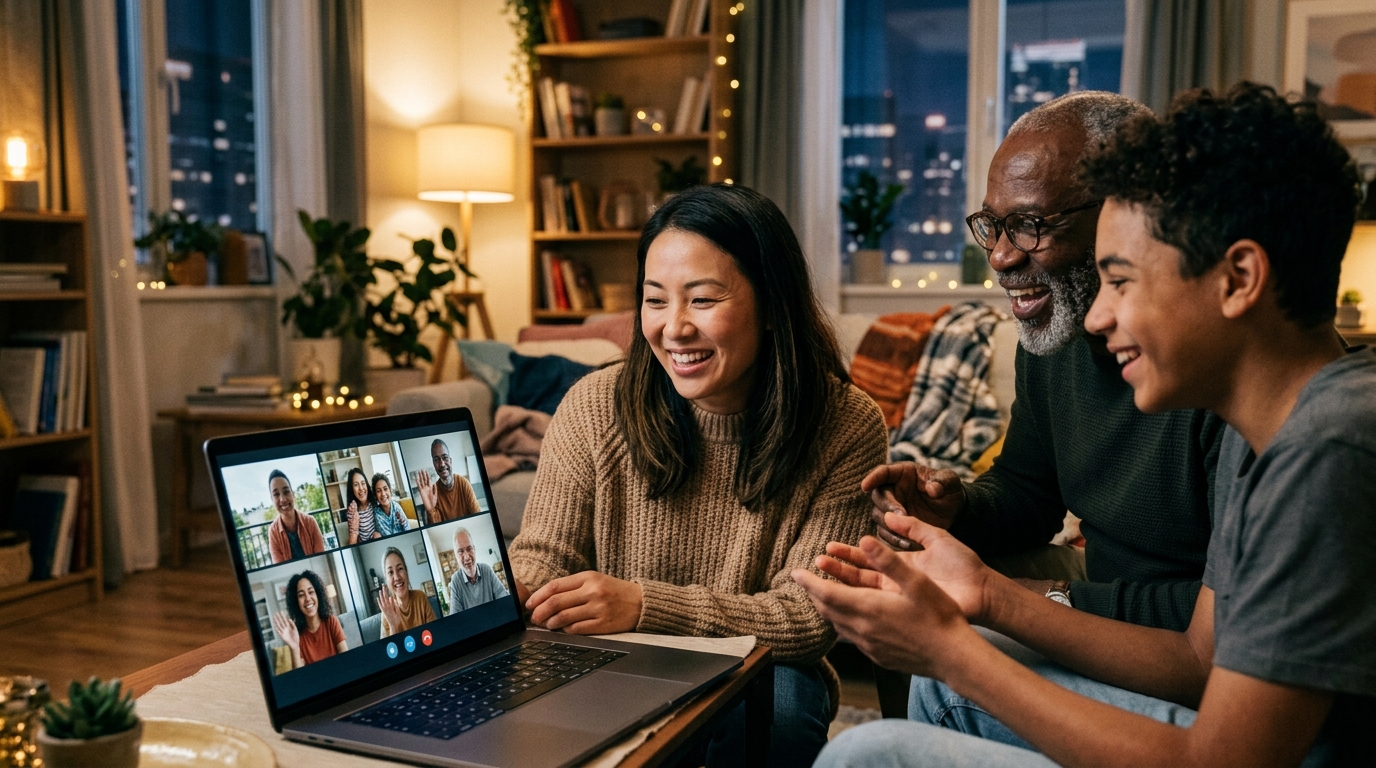
Digital communication and relationship maintenance work best when people are intentional. That means not waiting for social media to do the work automatically. Social Networking in Maintaining Relationships becomes truly effective when people use it to check in, listen, encourage, and remember. The tools are helpful, but the effort still comes from the people in the relationship.
A simple practice is consistency. Another is personalization. Sending a message that reflects the other person’s interests or recent experience feels more meaningful than generic interaction. Social Networking in Maintaining Relationships improves when the digital exchange feels human. People remember effort, sincerity, and timing more than the platform itself.
The same is true for emotional support. When life becomes difficult, a supportive message or a shared memory can offer comfort. Digital communication and relationship maintenance help people show up in small but reliable ways. That reliability creates trust, and trust is what allows a relationship to continue through busy seasons, distance, and change.
Conclusion
Relationships stay strong when people continue to notice, respond to, and care about one another. Social Networking in Maintaining Relationships helps make that possible in a world where time and distance often get in the way. It supports friendships, family ties, and long-distance bonds by keeping communication open and shared moments visible.
The deeper lesson is simple: connection is not only built through major conversations. It is also built through small signs of attention repeated over time. Social Networking in Maintaining Relationships gives people a practical way to keep those signs alive. When used thoughtfully, it helps people feel remembered, valued, and close, even when life makes face-to-face contact harder.
FAQ
1. Why is Social Networking in Maintaining Relationships important?
Social Networking in Maintaining Relationships is important because it helps people stay in touch regularly, share life updates, and keep emotional closeness alive even when they are busy or far apart.
2. Does Social Networking in Maintaining Relationships replace face-to-face time?
No. Social Networking in Maintaining Relationships supports real-life bonds, but it does not replace in-person connection. It works best as a bridge between visits, calls, and shared experiences.
3. How can Social Networking in Maintaining Relationships stay healthy?
Social Networking in Maintaining Relationships stays healthy when people use it with balance, respect privacy, avoid pressure, and communicate in ways that feel natural and genuine.
4. Can Social Networking in Maintaining Relationships help old friendships?
Yes. Social Networking in Maintaining Relationships can help old friendships stay alive by making it easier to reconnect, share memories, and continue casual contact over time.
5. What is the biggest advantage of Social Networking in Maintaining Relationships?
The biggest advantage of Social Networking in Maintaining Relationships is consistency. Small, repeated interactions help relationships remain warm, familiar, and emotionally strong.



Leave a Reply