

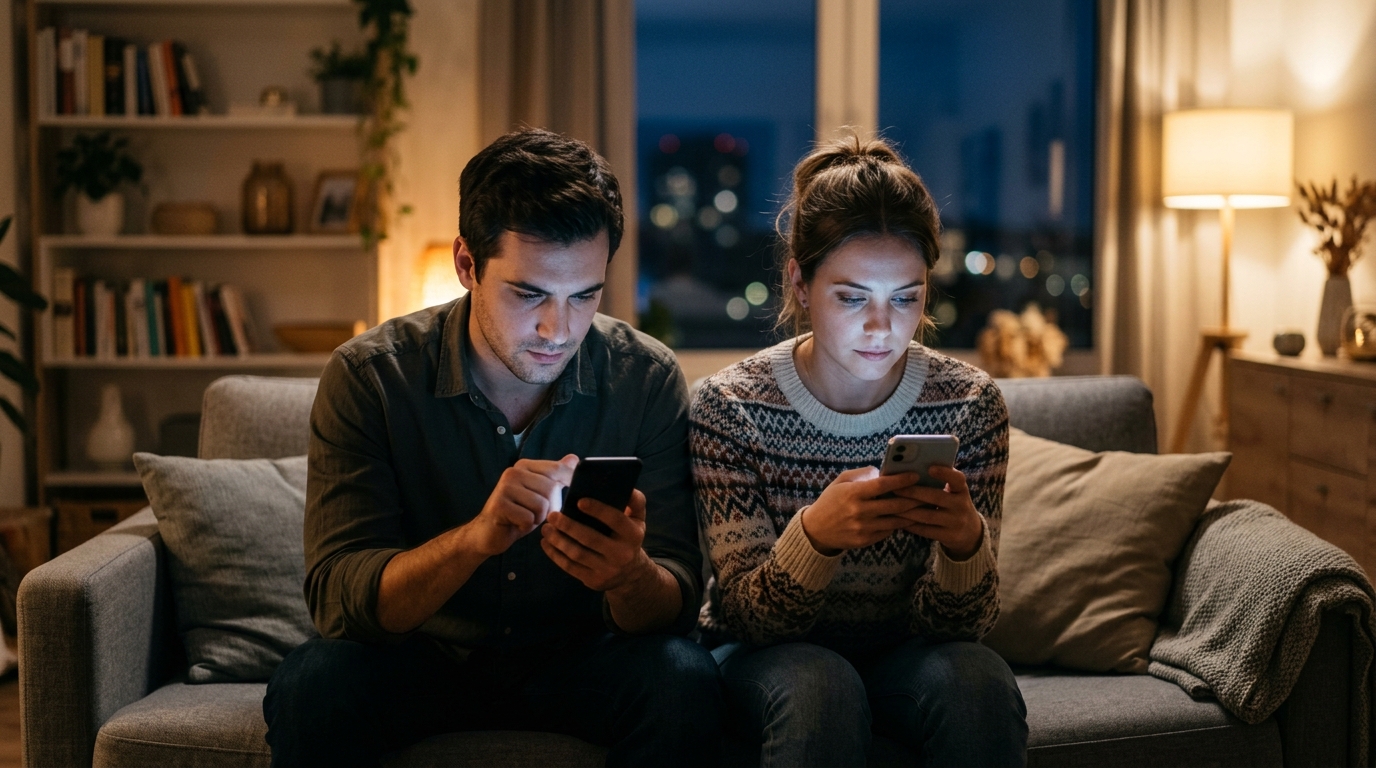
The Negative Effects of Social Networking often begin with subtle changes in behavior, not obvious conflict. A partner may start checking messages during conversations, comparing the relationship to others online, or expecting instant replies at all hours. The Negative Effects of Social Networking can also make people more sensitive to perceived rejection, more likely to overthink online activity, and more dependent on external validation. When social media becomes a daily emotional habit, it can reshape how trust is built, how problems are discussed, and how closeness is maintained. The Negative Effects of Social Networking are strongest when online habits are left unspoken, because silence allows assumptions to grow into relationship problems.
The Negative Effects of Social Networking are becoming more visible in everyday relationships because digital habits now shape how couples talk, argue, compare, and connect. What used to be private moments between two people can now be influenced by likes, messages, stories, comments, and constant online activity. The Negative Effects of Social Networking do not always begin with a big betrayal or a dramatic event. Often, they start quietly with small misunderstandings, delayed replies, emotional distance, and the habit of checking a phone before checking a partner’s face.
The Negative Effects of Social Networking are especially powerful because social media is designed to hold attention. It rewards quick reactions, public validation, and endless scrolling. In relationships, that can create pressure, insecurity, and confusion. The Negative Effects of Social Networking can turn harmless online behavior into a source of tension when one partner feels ignored, compared, or replaced by digital attention. Over time, this can weaken trust and reduce the quality of real-life communication.
The Negative Effects of Social Networking also affect the emotional side of relationships. Couples may still be together physically, but mentally they can become distracted by online conversations, digital approval, or the fear of missing out. The Negative Effects of Social Networking are not only about time spent online; they are about what happens to attention, honesty, patience, and emotional safety when social media becomes a bigger influence than the relationship itself.
How Social Networking Changes the Way Relationships Work
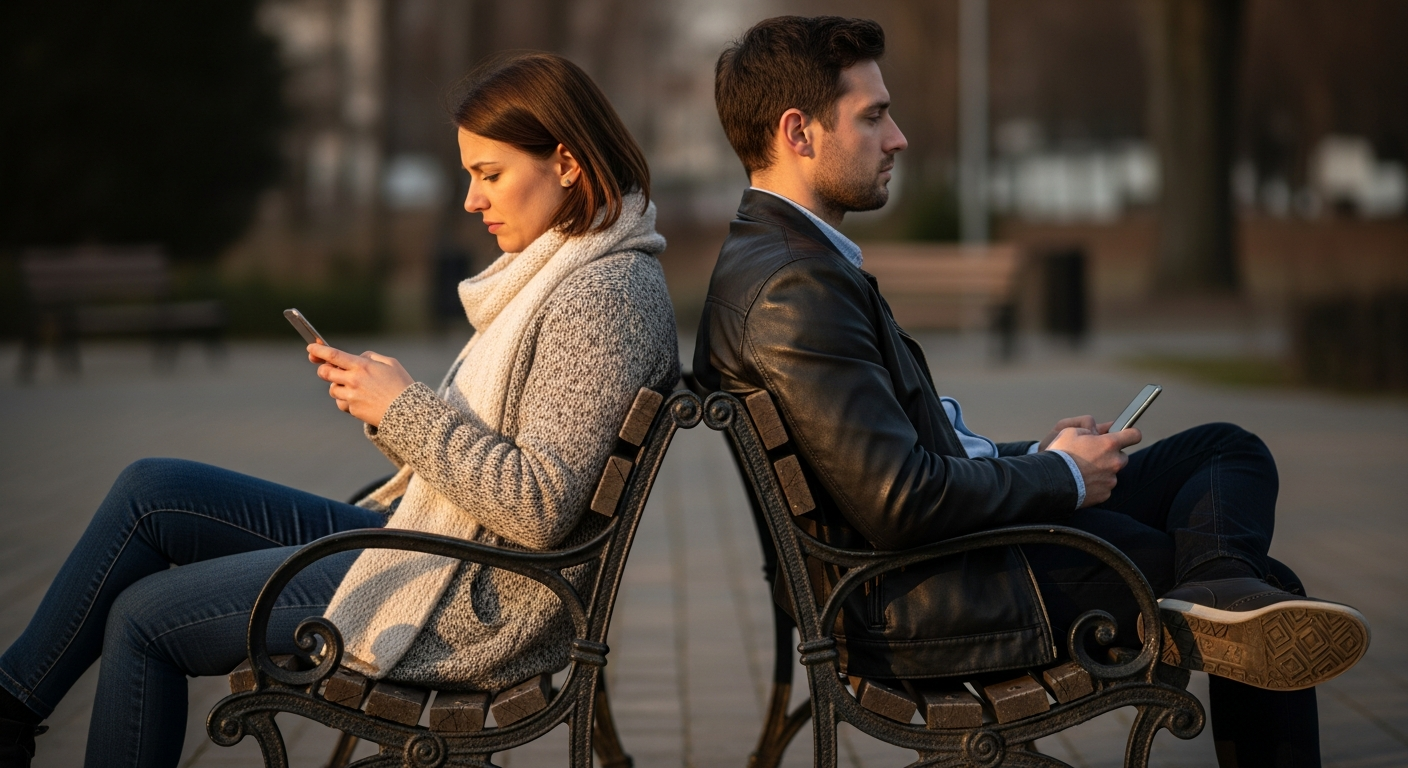
The Negative Effects of Social Networking on relationships are easier to understand when you look at how modern communication has changed. Couples no longer rely only on face-to-face talks, calls, or shared time. They also communicate through emojis, typing patterns, seen receipts, and reaction habits. That shift can be helpful, but it can also create confusion. A short reply may feel cold. A delayed response may feel disrespectful. A public like may feel more meaningful than a private conversation. The Negative Effects of Social Networking often appear when these digital signals are treated as proof of love, loyalty, or interest.
The Negative Effects of Social Networking are not limited to romantic relationships. They can also affect friendships, family bonds, and long-term trust between partners who have been together for years. When social media becomes a place where people compare their own relationship to curated highlights from others, reality starts to feel less satisfying. The Negative Effects of Social Networking often come from this gap between real life and online performance. A relationship may be healthy, but if one partner is constantly exposed to unrealistic online images, the relationship can begin to feel smaller, less exciting, or less valuable than it truly is.
Trust Is One of the First Things to Suffer
One of the clearest signs of the Negative Effects of Social Networking is a drop in trust. Trust in relationships depends on consistency, honesty, and emotional reliability. Social media can disturb all three. When a partner hides conversations, keeps private accounts secret, follows people in a suspicious way, or becomes defensive about online behavior, doubts grow quickly. The Negative Effects of Social Networking can make ordinary actions look suspicious, even when no betrayal exists.
The social networking impact on trust in relationships is often more about perception than proof. For example, a partner may not be cheating, but repeated late-night messaging or secretive scrolling can still create insecurity. Once the mind starts filling in blanks, the relationship can suffer from anxiety and questioning. The Negative Effects of Social Networking become especially dangerous in this stage because trust issues feed on uncertainty. The more unclear the online behavior feels, the more likely a partner is to imagine the worst.
Communication Becomes Shorter, Quieter, and Less Honest
Another major part of the Negative Effects of Social Networking is the way it changes communication. Many couples now spend more time sending brief messages than having meaningful conversations. That makes communication faster, but not always better. The effects of social media on communication in couples can show up as short replies, missed emotional cues, delayed answers, and misunderstandings that never get fully repaired. A message thread cannot always carry tone, empathy, or nuance the way a real conversation can.
The Negative Effects of Social Networking also appear when difficult topics are avoided in person and pushed into DMs or text messages. It is easier to joke, react, or withdraw online than to calmly explain feelings face to face. That can make a relationship feel emotionally shallow. The Negative Effects of Social Networking are often strongest when digital communication replaces direct communication. Real connection needs eye contact, tone, patience, and presence. Without those, conflict becomes easier to start and harder to resolve.
Emotional Bonds Can Weaken Without Anyone Noticing
The Negative Effects of Social Networking do not always look dramatic from the outside. Sometimes the biggest damage is emotional distance. A couple may still post together, share memes, or send messages throughout the day, but their deeper bond may slowly weaken. That happens when attention is divided between the relationship and the screen. The Negative Effects of Social Networking can reduce the small moments that build intimacy: listening closely, asking thoughtful questions, and giving undivided attention.
Emotional bonds grow through presence, not just contact. A person can be online all day and still feel emotionally unavailable. The Negative Effects of Social Networking often come from this illusion of connection. Many interactions are frequent but shallow, so the relationship begins to lose depth. Over time, a partner may feel less understood, less prioritized, and less emotionally safe. The Negative Effects of Social Networking become visible when people realize they have more access to each other than before, but less real closeness than they had expected.
The Psychology Behind Social Media Pressure
The Negative Effects of Social Networking are strongly tied to human psychology. People naturally want approval, belonging, and reassurance. Social media makes those needs easy to trigger. A like, view, or comment can feel rewarding in the moment, while silence can feel like rejection. That emotional pattern can become addictive, which is why the Negative Effects of Social Networking are often hard to notice until habits are already deeply rooted.
Social media also encourages comparison. People rarely post their arguments, boring days, or insecurities. They post polished moments instead. When someone compares their real relationship to those polished images, dissatisfaction grows. The Negative Effects of Social Networking in this area are psychological as much as practical. A person may start believing their partner is not romantic enough, attractive enough, or exciting enough, even when the relationship is healthy. That mental comparison can slowly damage appreciation, gratitude, and patience.
Jealousy Can Grow Faster Online
Social media jealousy in relationships is one of the most common signs of the Negative Effects of Social Networking. Jealousy can be triggered by likes on photos, private messages, old connections, attention from strangers, or a partner’s visible interest in someone else’s page. Even harmless online interactions can feel threatening when a relationship already has insecurity beneath the surface. The Negative Effects of Social Networking intensify jealousy because the evidence is always visible and easy to replay.
The problem is not only jealousy itself, but what jealousy does next. It can lead to checking behavior, accusations, silent treatment, or emotional withdrawal. The Negative Effects of Social Networking are especially harmful here because they encourage overanalysis. A person may spend hours replaying one comment or one follow, trying to decide what it means. This can create a relationship climate where suspicion becomes normal and reassurance never feels enough.
Online Communication vs Real Relationships
The difference between online communication vs real relationships is a major reason the Negative Effects of Social Networking continue to grow. Online communication is fast, convenient, and often low-pressure. Real relationships are slower, richer, and more demanding. They require listening, compromise, emotional regulation, and shared time. The Negative Effects of Social Networking become more obvious when people expect the internet to deliver the same depth as face-to-face connection.
A text can send information, but it cannot fully replace presence. A reaction emoji can acknowledge a feeling, but it cannot always comfort a hurt person. Online communication vs real relationships is not a battle, but it is a reminder that digital contact is only one part of intimacy. When digital interaction becomes the main way a couple communicates, the relationship may lose the warmth and depth that come from being fully present with one another. The Negative Effects of Social Networking often grow in this gap between convenience and closeness.
Relationship Problems Caused by Social Networking Often Start Small
Relationship problems caused by social networking rarely appear all at once. They usually begin with small habits that seem harmless. A partner checks notifications during dinner. Someone scrolls while the other is talking. A private joke is shared online instead of in person. Then a misunderstanding turns into an argument. Then a hidden feeling becomes resentment. The Negative Effects of Social Networking often grow through repetition, not one single event.
The biggest issue is that digital habits are easy to excuse. People say they are just busy, just tired, or just checking something quickly. But when these habits become constant, the relationship receives less attention. The Negative Effects of Social Networking can make partners feel like they are competing with a phone, a feed, or an audience. That competition slowly drains attention, and attention is one of the most valuable parts of a strong relationship.
A Simple Way to See the Damage
| Pattern | What it can look like | Why it matters |
|---|---|---|
| Constant checking | Looking at notifications during conversations | Makes a partner feel ignored |
| Hidden behavior | Private chats or secret accounts | Weakens trust |
| Public comparison | Comparing your relationship to online couples | Creates dissatisfaction |
| Delayed replies | Long gaps without explanation | Triggers anxiety and overthinking |
| Online flirting | Flirty comments or attention seeking | Increases jealousy and conflict |
This table shows how the Negative Effects of Social Networking can move from a digital habit into a relationship issue. None of these patterns has to destroy a relationship by itself, but repeated behavior can create real damage over time. The Negative Effects of Social Networking are often more harmful when they are normalized instead of discussed.
Healthy Boundaries Can Reduce the Damage
The Negative Effects of Social Networking do not have to control a relationship. Couples can reduce harm by setting clear boundaries about online behavior, attention, and privacy. Boundaries do not mean control. They mean mutual respect. A couple may agree not to scroll during meals, not to hide conversations that affect the relationship, or not to let social media interrupt important talks. The Negative Effects of Social Networking become less powerful when both people understand what feels respectful and what feels dismissive.
Healthy boundaries also help protect emotional energy. Some couples need to limit how much they compare their relationship to others online. Others need to be more honest about what makes them uncomfortable. The Negative Effects of Social Networking often get worse when people stay silent to avoid conflict. Clear conversation may feel awkward at first, but it is far better than slowly building resentment through unspoken frustration.
Signs That Social Media Is Hurting the Relationship
The Negative Effects of Social Networking often reveal themselves through behavior. If conversations feel shorter, arguments feel more frequent, or one partner seems emotionally absent even while physically present, something may be off. Other warning signs include checking a partner’s online activity too often, feeling anxious about replies, or spending more time reacting to social media than connecting in real life. The Negative Effects of Social Networking can also show up as reduced affection, lower patience, and less interest in shared time.
A relationship does not need to be in crisis before these signs matter. Small changes are important because they show where attention is going. The Negative Effects of Social Networking can become a habit pattern long before anyone admits there is a problem. The earlier these signs are noticed, the easier it is to repair the connection and rebuild trust.
How Couples Can Rebuild Trust and Closeness
The Negative Effects of Social Networking are not irreversible. Couples can repair damage by becoming more intentional about how they use digital tools. The first step is often honesty. If a person feels ignored, jealous, or uncertain, that feeling should be discussed calmly instead of stored silently. The next step is consistency. Trust grows when behavior matches words over time. The Negative Effects of Social Networking fade when actions become more transparent and predictable.
Closeness also improves when couples make real-life connection a priority. That can mean talking without phones nearby, creating shared routines, or giving full attention during important conversations. The Negative Effects of Social Networking lose power when the relationship has strong offline habits. Digital communication can still be part of the relationship, but it should not replace the emotional work that real intimacy requires.
Does Social Media Ruin Relationships?
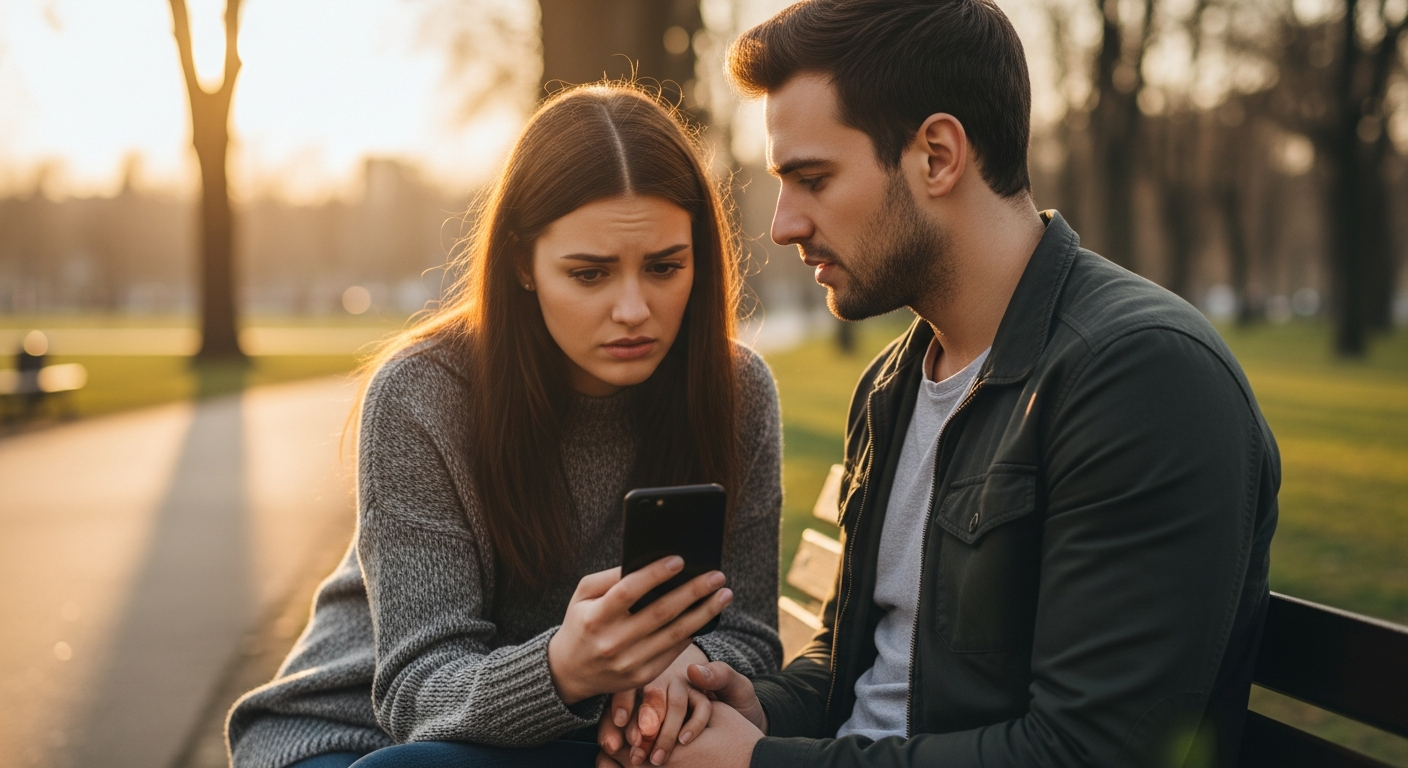
The question does social media ruin relationships does not have a simple yes or no answer. Social media itself does not automatically destroy love, trust, or intimacy. The Negative Effects of Social Networking depend on how it is used, how much space it takes, and whether partners communicate honestly about its role. In some relationships, social media is neutral or even helpful. In others, it becomes a source of comparison, secrecy, and emotional distance.
So the real issue is not whether social media exists, but whether it is shaping the relationship in unhealthy ways. The Negative Effects of Social Networking are strongest when online habits replace real attention, make partners feel insecure, or turn minor misunderstandings into repeated conflict. Social media does not ruin every relationship, but it can absolutely weaken one that is already under stress.
A Practical Mindset for Couples
The Negative Effects of Social Networking become easier to manage when couples treat digital life as a tool, not a judge. Online validation should never define the value of a relationship. A good relationship is built through honesty, consistency, kindness, and emotional safety. The Negative Effects of Social Networking shrink when couples focus more on what happens between them than on what happens on the screen.
It also helps to ask better questions. Instead of asking how many likes a post got, ask whether both people feel heard. Instead of wondering who viewed a story, ask whether the relationship feels secure. The Negative Effects of Social Networking are reduced when the couple measures success by trust and connection, not by online attention.
Conclusion
The Negative Effects of Social Networking are real, and they can quietly reshape a relationship if people are not paying attention. Social media can weaken trust, reduce meaningful communication, increase jealousy, and create emotional distance between partners. The Negative Effects of Social Networking are often subtle at first, which is why they are easy to ignore. A relationship may look fine online while slowly becoming less warm, less honest, and less connected offline.
The good news is that awareness changes everything. When couples notice the Negative Effects of Social Networking early, they can set boundaries, speak openly, and protect their emotional bond. Social media does not have to damage a relationship, but it should never be allowed to replace trust, presence, or real conversation. The healthiest relationships use technology with care, not dependence. That is how couples reduce the Negative Effects of Social Networking and build something stronger than a screen.
FAQ
1. What are the main negative effects of social networking on relationships?
The main Negative Effects of Social Networking include trust problems, poor communication, jealousy, distraction, comparison, and emotional distance. These issues often build slowly through repeated online habits.
2. How social media affects relationships in everyday life?
How social media affects relationships depends on how much attention it takes. It can make partners feel ignored, overthink replies, compare themselves to others, and rely too much on digital approval.
3. What is the biggest social networking impact on trust in relationships?
The biggest social networking impact on trust in relationships is uncertainty. Secretive behaviour, hidden messages, and unclear online activity can make a partner feel insecure even without direct evidence of betrayal.
4. Can social media cause communication problems in couples?
Yes. The effects of social media on communication in couples often include shorter conversations, misunderstandings, delayed responses, and less face-to-face honesty. That can make conflict easier and repair harder.
5. Does social media ruin relationships for everyone?
No. But the answer to does social media ruin relationships depends on habits, boundaries, and communication. It becomes harmful when it replaces real attention, fuels jealousy, or increases secrecy.
6. What are common relationship problems caused by social networking?
Common relationship problems caused by social networking include comparison, emotional neglect, flirting concerns, constant checking, and arguments caused by online behavior. These problems often grow when couples do not discuss boundaries.
7. Why does social media jealousy in relationships happen so easily?
Social media jealousy in relationships happens because online activity is visible but not always understandable. A like, follow, or message can trigger fear, suspicion, or competition even when the situation is harmless.
8. Is online communication vs real relationships a real issue?
Yes. Online communication vs real relationships matters because digital contact is faster but usually less emotionally rich. Real closeness still depends on presence, tone, and shared time.



Leave a Reply