

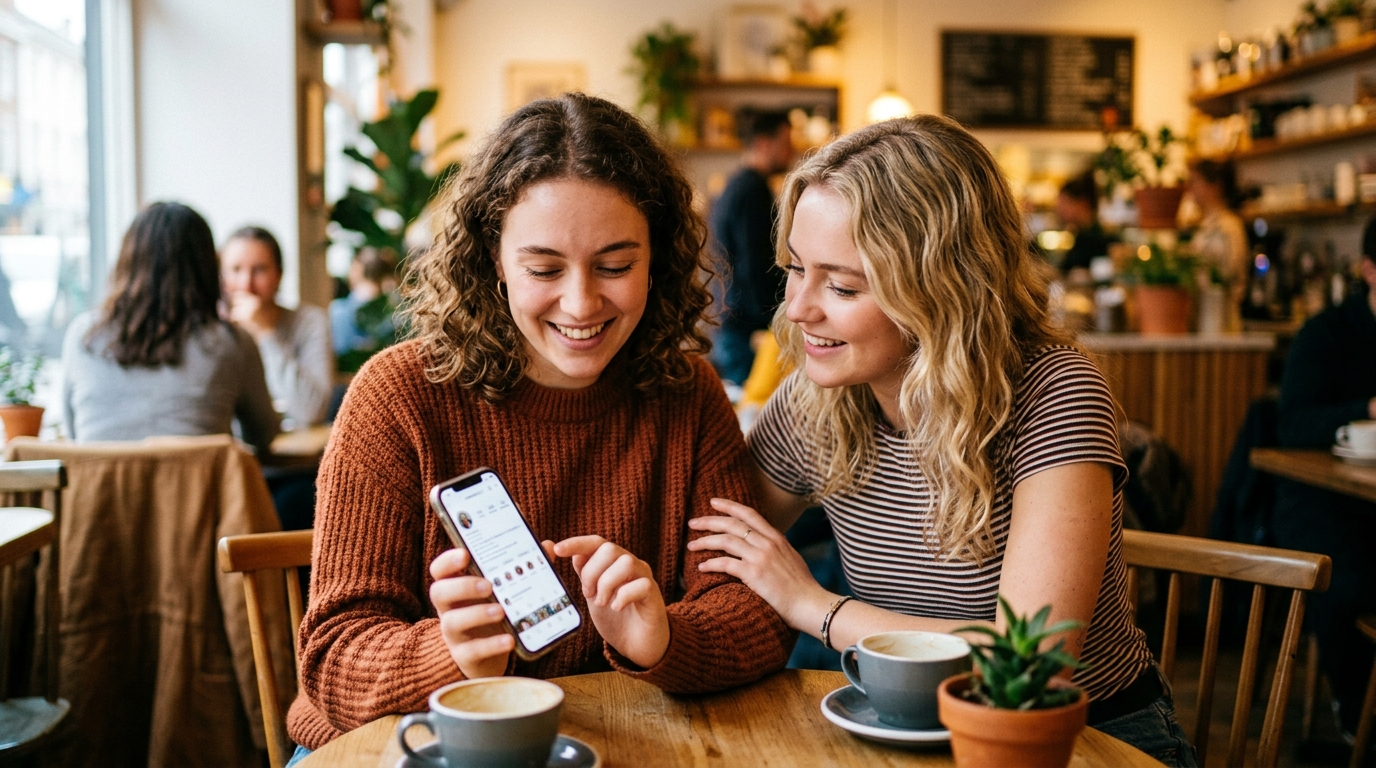
Empathy in Social Media helps people communicate with more care, reduce conflict, and build trust in digital spaces. This article explains why empathy matters, how it shapes behavior, and how brands, creators, and professionals can use it to create stronger online relationships and healthier communities.
Empathy in Social Media: Why It Matters More Than Ever
Empathy in Social Media is becoming one of the most valuable skills in a world where so much communication happens through screens. People no longer judge messages only by their words. They notice tone, timing, context, and intent. A short reply can feel supportive, defensive, cold, or encouraging depending on how it is written. That is why Empathy in Social Media is not just a soft skill. It is a practical way to improve trust, reduce misunderstanding, and make digital relationships feel more human.
At its core, Empathy in Social Media means recognizing that every post, comment, or message is received by a real person with emotions, stress, and expectations. Online spaces often remove the natural cues that guide face-to-face conversation, such as facial expression, eye contact, and voice tone. When those clues disappear, people may react quickly, misread intent, or escalate a simple disagreement. Empathy gives users a pause before they respond, helping them consider how their words may land on the other side of the screen.
Empathy in Social Media also matters because attention is limited and competition for trust is high. Users are constantly deciding whether to follow, reply, share, or ignore. Content that feels understanding and respectful often earns stronger engagement than content that feels loud or aggressive. In this sense, empathy is not only ethical; it is strategic. It helps brands, educators, leaders, and creators build relationships that last longer than a single post.
The Human Psychology Behind Digital Connection

The phrase digital empathy meaning refers to the ability to understand emotions and respond thoughtfully in online environments. It goes beyond being polite. It includes noticing emotional tone, reading between the lines, and adjusting communication based on context. In practice, digital empathy helps people avoid careless remarks and makes online spaces feel safer for open exchange.
Empathy in Social Media works because human beings naturally seek belonging, validation, and emotional safety. When a post reflects those needs, it often creates a stronger response. People feel seen when someone acknowledges their effort, pain, success, or uncertainty. That recognition builds connection faster than generic praise. It also reduces the chance that users will interpret feedback as criticism when it is meant as support.
Online communication skills are essential here because the medium itself changes how messages are understood. A delayed response may look like disinterest. A brief message may seem rude. A joke may appear offensive without tone or context. People with stronger online communication skills tend to write more clearly, clarify intent, and use language that lowers friction instead of increasing it. That makes interactions feel more stable and respectful.
Empathy in Social Media is also shaped by the speed of modern platforms. People react quickly because feeds move fast, notifications never stop, and algorithms reward immediate engagement. This creates pressure to reply before thinking. A more empathetic approach slows that impulse just enough to improve quality. A thoughtful pause can turn a conflict into a conversation or a casual comment into a real relationship.
How Empathy Strengthens Online Relationships
Social media relationship building depends on consistency, respect, and emotional awareness. People return to voices that make them feel understood. They trust accounts that listen, respond honestly, and communicate in a way that feels authentic. Over time, those small acts create loyalty. A creator who replies with care, a brand that acknowledges frustration, or a professional who engages respectfully will usually develop deeper relationships than someone who only broadcasts messages.
Empathy in Social Media helps relationships grow because it shifts attention from performance to connection. Many users focus on visibility, but sustainable influence comes from trust. Trust develops when people believe a message is not just trying to persuade them, but trying to understand them. That is why empathetic communication often leads to more meaningful comments, better retention, and stronger word-of-mouth support.
Emotional intelligence in social media is another reason relationships improve. Emotional intelligence includes self-awareness, self-control, social awareness, and relationship management. In digital spaces, these qualities help people avoid reacting impulsively and instead respond in ways that preserve dignity on both sides. Someone with strong emotional intelligence in social media can disagree without humiliating others, correct misinformation without hostility, and offer feedback without sounding dismissive.
Empathy in Social Media also supports healthier communities by reducing the spread of shame-based interactions. Public platforms can easily encourage pile-ons, sarcasm, and performative outrage. But when users lead with empathy, they set a different norm. They make it easier for others to admit mistakes, ask questions, and participate honestly. That creates a community culture that is more open and less defensive.
Online Empathy Examples That Build Trust
Online empathy examples can be simple, but their effect is powerful. A teacher replying to a student’s uncertain question with reassurance instead of impatience can increase confidence. A customer support team acknowledging frustration before offering a solution can calm a tense interaction. A manager thanking a team member for a thoughtful contribution can turn a basic exchange into a motivating one.
Empathy in Social Media often shows up in small details. It may be the difference between saying “That is incorrect” and saying “I see what you mean, and here is another perspective.” It may be the choice to ask a clarifying question before assuming bad intent. It may be a comment that recognizes someone’s struggle instead of immediately correcting them. These are not dramatic gestures, but they create emotional safety, and emotional safety invites better dialogue.
Positive online interactions are usually the result of many tiny empathetic decisions. These interactions do not mean everyone agrees. They mean disagreement happens with respect. They mean users can challenge ideas without attacking identities. They mean people can express boundaries without cruelty. That balance matters because platforms are often remembered not only for what was said, but for how it felt to be part of the conversation.
Empathy in Social Media becomes especially important in high-visibility spaces where audiences are diverse. A message can be interpreted by people of different ages, cultures, and experiences. A thoughtful communicator considers how wording may be perceived by more than one audience. That does not mean being overly cautious or generic. It means using language that is clear, inclusive, and emotionally aware.
The Role of Social Media Behavior Psychology
Social media behavior psychology explains why people engage the way they do online. People often react to perceived status, social approval, fear of exclusion, or emotional triggers. A harsh comment may come from insecurity. A defensive reply may come from embarrassment. A viral argument may be fueled by group identity rather than the original topic. Understanding this helps people respond more wisely.
Empathy in Social Media becomes more effective when you recognize these behavioral patterns. Instead of assuming every negative reaction is personal, you can ask whether the other person feels ignored, stressed, misunderstood, or embarrassed. That perspective does not excuse harmful behavior, but it helps you respond in a way that reduces escalation. In many cases, calm empathy lowers tension faster than confrontation.
A deeper understanding of social media behavior psychology also helps creators and brands design better experiences. People engage more when they feel emotionally included, not manipulated. They stay longer when the environment feels respectful. They share content when it aligns with identity and values. This means empathy is not only a communication tactic. It is part of how trust, attention, and community are formed online.
Empathy in Social Media can therefore be viewed as both a personal habit and a structural advantage. On an individual level, it helps people become better listeners and better responders. On a platform level, it supports healthier cultures and more sustainable engagement. That combination is why empathy deserves serious attention in digital strategy.
How Empathy Improves Communication Online
How empathy improves communication online becomes clear when you look at conflict, collaboration, and feedback. Empathy reduces misunderstanding because it encourages people to check assumptions before reacting. It improves collaboration because team members feel safer sharing ideas. It strengthens feedback because criticism is easier to accept when it is delivered with respect and context.
Empathy in Social Media also improves communication by making messages more precise. Thoughtful communicators tend to explain intent, choose careful wording, and anticipate emotional response. This clarity lowers the chance that others will misread their meaning. It also shows maturity, which is especially important for leaders, public figures, and professionals who communicate with large audiences.
When people ask how empathy improves communication online, the answer often begins with listening. Online listening is not passive. It means reading the full message, noticing tone, understanding context, and resisting the urge to respond too quickly. When listeners show that they understand before they answer, conversations become more productive. This is one of the strongest advantages of Empathy in Social Media.
Empathy in Social Media can also make digital conversations more inclusive. People are more likely to participate when they feel their voice will not be dismissed. That matters in education, healthcare, community leadership, and customer relations. Inclusive communication builds participation, and participation builds stronger networks.
Practical Ways to Use Empathy Every Day
Empathy in Social Media is easiest to improve when it becomes a habit. Before posting, ask what emotion your message may create. Will it encourage, confuse, shame, or support? A few seconds of reflection can prevent unnecessary damage and make your content more effective. That habit is especially useful for people who post frequently or manage public-facing accounts.
Another practical step is to slow down during emotionally charged conversations. Many conflicts begin with a fast response written in frustration. A short delay can change the outcome completely. Re-reading a message before sending it helps you remove extra sharpness, add clarity, and reduce the risk of sounding dismissive. This is one of the simplest ways to practice Empathy in Social Media daily.
Social media relationship building also improves when you acknowledge people directly. Replying by name, thanking someone for their insight, or recognizing their effort creates a sense of connection. Even when you cannot respond to everyone, a respectful tone shows that people are more than engagement numbers. That mindset strengthens loyalty over time.
Empathy in Social Media should also guide content creation. Posts that speak to real problems, real emotions, and real needs feel more relevant than generic promotional content. When audiences sense that you understand their reality, they are more willing to trust you. This is especially true in sectors like health, education, nonprofit work, and professional services.
In team settings, Empathy in Social Media helps internal collaboration as well. Social platforms are often used for project updates, brand communication, and community management. When team members communicate with emotional awareness, they reduce friction and improve morale. That leads to more effective coordination, faster problem-solving, and better outcomes across the board.
Common Barriers to Being More Empathetic Online
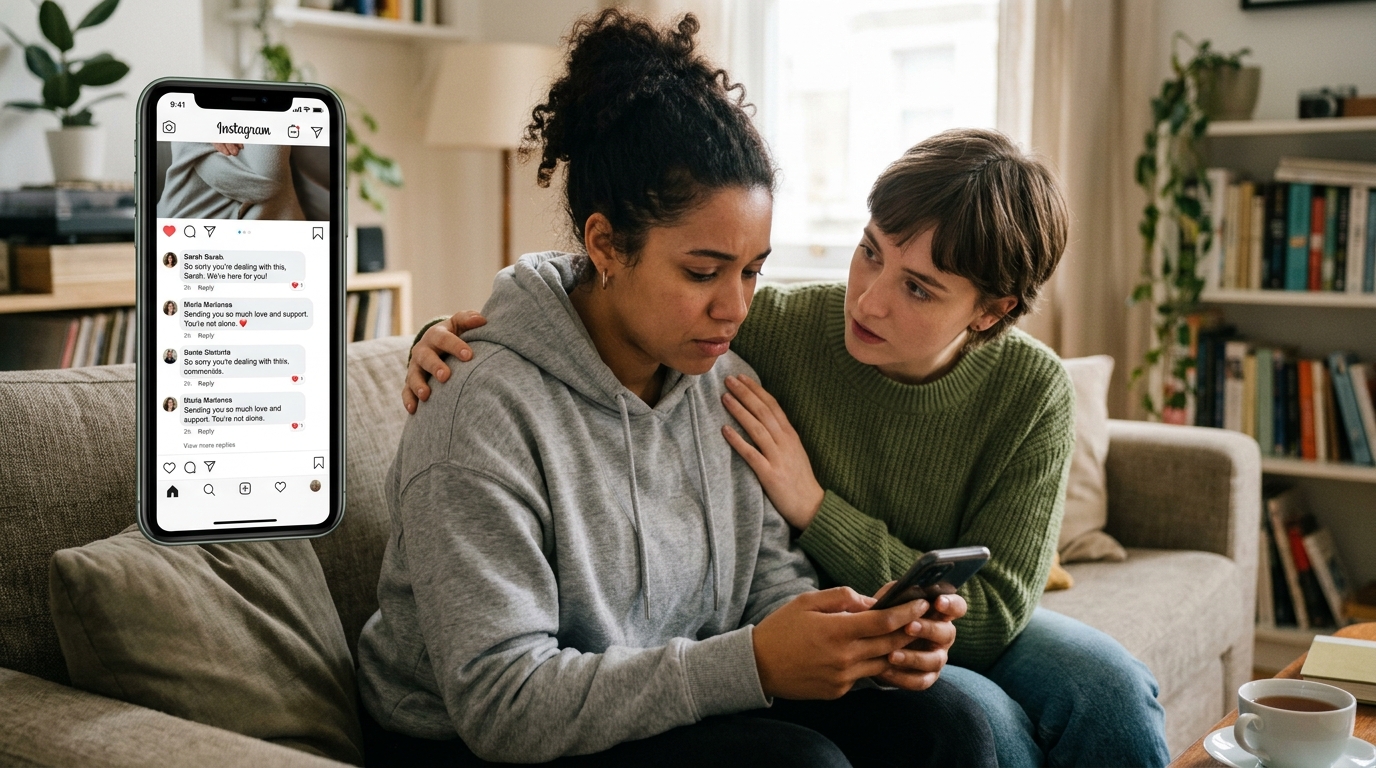
Empathy in Social Media does not happen automatically because digital environments often reward speed over reflection. One major barrier is anonymity. When people feel hidden, they may feel less responsible for their tone. Another barrier is emotional exhaustion. Constant exposure to content, conflict, and comparison can make users more reactive and less patient.
A second barrier is the habit of interpreting disagreement as threat. Many people read criticism as attack, even when that was not the speaker’s intent. This is where Empathy in Social Media becomes useful again. It encourages people to ask what the other person may be trying to express, rather than immediately deciding that they are hostile.
Another challenge is algorithmic pressure. Platforms often favor content that sparks strong emotions, which can make extreme reactions feel normal. Empathy in Social Media provides a healthier counterbalance. It reminds users that attention is not the same as value, and conflict is not the same as connection.
Building a Culture of Empathy in Digital Spaces
Empathy in Social Media becomes strongest when it is shared by a community, not just practiced by individuals. Leaders, moderators, educators, and brands can shape the tone of a space by modeling respectful engagement. When people see empathy rewarded, they are more likely to repeat it. That is how culture changes.
A sustainable empathetic culture also depends on boundaries. Empathy does not mean tolerating abuse, misinformation, or manipulation. It means responding with fairness, clarity, and humanity while still protecting standards. Healthy communities need both kindness and structure. When those two elements work together, trust grows faster and conflict becomes easier to manage.
Empathy in Social Media is especially important for long-term reputation. A single viral post may gain attention, but the way people feel about the account over time determines whether they stay. Respectful communication creates durability. It turns followers into participants and participants into advocates. That is one of the most valuable outcomes in any digital relationship.
Conclusion
Empathy in Social Media is more than a communication trend. It is a framework for healthier interaction, stronger trust, and more meaningful digital relationships. In an environment shaped by speed, algorithms, and short attention spans, empathy helps people slow down, listen better, and respond with care. It improves online communication, supports emotional intelligence, and makes communities feel safer and more human. For creators, professionals, and brands, empathy is not a weakness. It is a long-term advantage that strengthens connection, credibility, and influence across every platform.
FAQs
1. What does Empathy in Social Media mean?
Empathy in Social Media means understanding the feelings, context, and needs of people online and responding in a thoughtful, respectful way. It helps reduce conflict and improves the quality of digital communication.
2. Why is empathy important on social platforms?
Empathy is important because social platforms remove many face-to-face cues. Without tone or body language, messages can be misread easily. Empathy helps people communicate more clearly and avoid unnecessary tension.
3. How does empathy improve engagement?
When content feels human and understanding, people are more likely to respond positively. Empathy in Social Media encourages trust, which often leads to more meaningful comments, shares, and long-term audience loyalty.
4. What are examples of empathetic online behavior?
Examples include acknowledging someone’s frustration before replying, asking clarifying questions, using respectful language during disagreement, and thanking others for their perspective. These small actions can make a big difference.
5. Can brands use empathy effectively online?
Yes. Brands can use empathy by listening to audience concerns, responding honestly, and showing awareness of customer emotions. This improves trust and makes brand communication feel more authentic.
6. Is empathy the same as agreeing with everyone?
No. Empathy does not mean agreement. It means recognizing another person’s perspective and responding with respect. You can disagree strongly while still communicating thoughtfully.
7. How does emotional intelligence relate to empathy online?
Emotional intelligence in social media includes self-awareness, emotional control, and social awareness. Empathy is a major part of that because it helps people understand others and choose better responses.
8. Why do online conversations become so harsh?
Online conversations often become harsh because people react quickly, misunderstand tone, or feel anonymous. Social media behavior psychology shows that status, identity, and emotional triggers can intensify reactions.
9. How can I practice empathy better online?
Pause before replying, read the full message carefully, and consider the other person’s tone and situation. Empathy in Social Media grows when you choose clarity, patience, and respect over impulse.
10. Does empathy help build stronger communities?
Yes. Empathy in Social Media supports trust, reduces hostility, and makes people feel safe participating. Over time, that creates stronger, healthier communities where people are more willing to engage honestly.



Leave a Reply