


Internet-based social connections have fundamentally transformed how humans interact, build trust, and maintain relationships. By bridging geographical gaps, digital networks offer unprecedented opportunities for community building, while also introducing new psychological challenges to our modern digital social life.
Human beings are inherently social creatures, hardwired to seek belonging, understanding, and community. Historically, our social circles were limited by geography. You knew your neighbours, your schoolmates, and your coworkers. Today, technology has shattered those physical boundaries, allowing us to form internet-based social connections with individuals across the globe. This shift is not merely technological; it is a profound psychological evolution.
Understanding how we adapt to this new environment requires examining the very nature of human interaction. When we engage in online social networking, we engage the same psychological reward systems that drive face-to-face communication, yet the medium alters how we interpret empathy, tone, and intimacy. This comprehensive guide explores the mechanics of internet-based social connections, highlighting the benefits, the psychological implications, and the future of human relationships in a highly connected world.
The Psychology of Digital Interactions
To understand the depth of internet-based social connections, we must look at the cognitive processes that occur when we communicate through screens. The human brain is incredibly adaptable, finding ways to interpret text, emojis, and video feeds as valid social signals.
The Role of Dopamine in Digital Networks

Every time we receive a notification, our brains release a small amount of dopamine. This neurotransmitter is associated with pleasure and reward. Over time, we begin to crave the validation that comes from internet-based social connections. This creates a feedback loop where we continually seek out digital relationships to satisfy our natural desire for social affirmation. While this can foster a strong sense of belonging, it also requires conscious management to avoid dependency.
Empathy and Emotional Resonance
Can true empathy exist without physical presence? Research suggests it absolutely can. Through virtual communication, people share their most vulnerable moments, seek advice, and offer support. The absence of physical cues like body language can sometimes lead to misunderstandings, but it also allows individuals who might be socially anxious in person to express themselves more freely. Internet-based social connections provide a unique environment where emotional resonance is built heavily on shared experiences and written narratives rather than physical proximity.
The Evolution of Relationship Building
The way we build trust and establish rapport has changed significantly. In the past, shared physical space was a prerequisite for friendship. Now, shared interests dictate our social circles.
Breaking Down Geographical Barriers
The most obvious advantage of internet-based social connections is the elimination of distance. You can live in a rural village and still debate philosophy with scholars in major metropolitan hubs. Social media connections allow us to maintain ties with childhood friends and distant relatives, keeping the fabric of our personal history intact even as we move across the world.
The Rise of Niche Communities
Before the digital era, having a highly specific interest could be isolating. Today, internet-based social connections thrive on specificity. Whether you are passionate about obscure historical events, niche programming languages, or rare houseplants, there are online communities waiting to welcome you. These internet friendships are often remarkably strong because they are built on a foundation of genuine, mutual enthusiasm rather than mere geographic coincidence.
Different Types of Digital Connections
Not all internet-based social connections are created equal. They vary in depth, purpose, and platform.
Personal and Platonic Bonds
Many individuals turn to the web to find lifelong friends. These internet-based social connections often start in forums or gaming lobbies and eventually transition into deep, meaningful relationships. People support each other through life changes, career transitions, and personal hardships, proving that remote interaction can be just as impactful as local friendships.
Professional Networking
The corporate world relies heavily on internet-based social connections. Platforms designed for professionals allow individuals to share industry insights, find mentors, and secure employment. Building a robust digital footprint is now a standard career strategy. We are connecting online not just for leisure, but for economic survival and professional growth.
Romantic Endeavors
Dating apps and matrimonial websites represent a massive sector of internet-based social connections. Algorithms match individuals based on complex data points, changing the way human beings approach courtship. While the abundance of choice can sometimes lead to decision paralysis, it also enables people to find highly compatible partners they would never have met otherwise.
The Benefits and Challenges: A Balanced View
Like any monumental shift in human behavior, internet-based social connections come with a spectrum of positive and negative outcomes.
The Positive Impacts
- Accessibility: Individuals with mobility issues or severe social anxiety can build meaningful networks.
- Diversity of Thought: Exposure to global perspectives challenges our biases and broadens our worldview.
- Continuous Support: Crisis support groups and mental health forums offer immediate assistance and solidarity.
The Psychological Challenges
- The Comparison Trap: Curated feeds can lead to feelings of inadequacy.
- Echo Chambers: Algorithms often show us content we already agree with, limiting intellectual growth.
- Superficiality: Some internet-based social connections remain at the surface level, lacking the depth needed for true psychological fulfillment.
Comparing Traditional and Digital Social Life
|
Feature |
Traditional Social Connections |
Internet-Based Social Connections |
|---|---|---|
|
Foundation |
Proximity and shared physical environment |
Shared interests and digital platforms |
|
Communication Style |
Verbal, rich in body language and tone |
Text-based, emojis, video calls |
|
Accessibility |
Limited by geography and time constraints |
Available 24/7 globally |
|
Pace of Connection |
Often gradual, building over repeated encounters |
Can be rapid due to immediate deep sharing |
|
Diversity |
Often homogeneous based on local demographics |
Highly diverse, bridging global cultures |
Navigating the Complexities of Online Networks
To maximize the benefits of internet-based social connections, individuals must approach them with intentionality. It is easy to fall into passive scrolling, but active engagement yields the best results.
Establishing Healthy Boundaries
Because internet communication platforms are always accessible, it is crucial to set boundaries. Constantly tending to internet-based social connections can lead to burnout. Scheduling specific times for digital socializing helps maintain a healthy balance between the online and physical worlds.
Cultivating Authenticity
The strength of internet-based social connections relies heavily on authenticity. When we present an overly curated version of our lives, we attract superficial interactions. By being vulnerable and honest, we invite others to do the same, fostering deeper, more resilient digital bonds.
The Impact on Mental Health
The intersection of mental health and internet-based social connections is a subject of intense academic study. The consensus is that digital networks are a tool, and their impact depends entirely on how they are used.
Fighting Isolation
For many, internet-based social connections are a lifeline. During global crises or periods of personal illness, digital networks prevent total isolation. The ability to reach out and instantly connect with someone who understands your specific struggle is an invaluable psychological resource.
Managing Digital Fatigue
Conversely, the pressure to maintain numerous internet-based social connections can be overwhelming. Digital fatigue occurs when the cognitive load of processing constant communication outweighs the emotional benefits. Recognizing the signs of fatigue—such as irritability or a reluctance to open messages—is the first step in recalibrating your digital habits.
The Future of Human Interaction
As technology advances, the nature of internet-based social connections will continue to evolve. We are moving beyond text and 2D video into immersive environments.
The Role of Virtual Reality
Virtual reality promises to add physical presence back into internet-based social connections. Imagine sitting in a digital coffee shop with a friend who lives thousands of miles away, reading their avatar’s body language in real-time. This technology could bridge the gap between traditional and digital socializing, offering the best of both worlds.
Artificial Intelligence as a Social Buffer
We are already seeing the integration of AI in how we manage internet-based social connections. From smart replies to algorithms that suggest whom we should reconnect with, AI acts as a facilitator. In the future, AI might help us navigate complex social dynamics, translating cultural nuances and preventing misunderstandings in global internet-based social connections.
How to Build Meaningful Connections Today
If you want to enrich your life through internet-based social connections, consider the following actionable strategies.
Be Intentional with Your Time
Do not let algorithms dictate your internet-based social connections. Seek out groups, forums, and individuals that align with your core values. Quality always supersedes quantity when it comes to digital relationships.
Transition from Passive to Active
Liking a post is passive. Leaving a thoughtful comment, sending a direct message, or organizing a video call is active. Internet-based social connections flourish when both parties actively invest energy into the relationship.
Protect Your Privacy
While vulnerability is important for building internet-based social connections, safety is paramount. Be mindful of the personal information you share. Trust should be earned gradually in the digital space, just as it is in the physical world.
The Lasting Power of Digital Networks
The debate over whether internet-based social connections are “real” relationships is largely obsolete. For millions of people, these bonds are as tangible, supportive, and vital as any physical friendship. They provide comfort during dark times, inspiration during stagnant periods, and joy in moments of shared triumph.
By understanding the psychological mechanisms at play, we can navigate internet-based social connections with greater wisdom. We can avoid the pitfalls of superficiality and comparison, choosing instead to cultivate environments of empathy, respect, and mutual growth. Internet-based social connections are not a replacement for local community; rather, they are a powerful expansion of our human capacity to love, share, and connect.
Forging Ahead in a Connected World
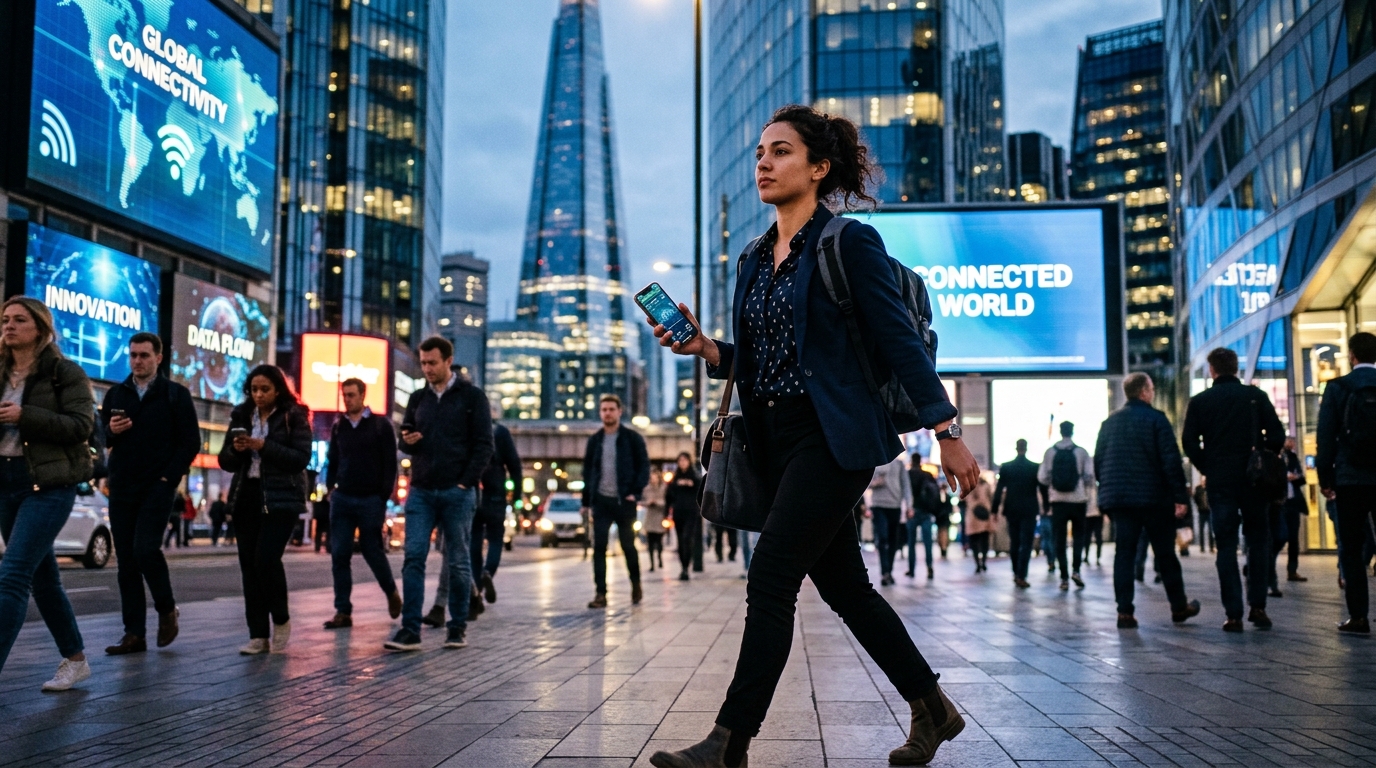
Ultimately, internet-based social connections reflect our deepest human desires. They prove that no matter the medium, we will always find ways to find each other. By embracing these tools responsibly, we can build a more empathetic, united, and understanding global society. Moving forward, the goal is not to disconnect, but to connect better—leveraging technology to highlight the very best parts of our shared humanity.
Frequently Asked Questions
1. What are internet-based social connections?
Internet-based social connections are relationships and interactions formed and maintained through digital platforms, apps, and websites, rather than physical, face-to-face encounters.
2. Can digital friendships be as strong as in-person friendships?
Yes, research and anecdotal evidence show that digital friendships can be incredibly strong, as they are often built on deep, shared interests and emotional vulnerability.
3. How do internet-based social connections affect mental health?
They can affect mental health both positively (reducing isolation, providing support) and negatively (causing comparison, digital fatigue), depending on how they are utilized.
4. What is the best way to maintain online relationships?
Active engagement, such as sending direct messages, having video calls, and showing genuine interest, is the best way to maintain these relationships.
5. Are there risks associated with forming connections online?
Yes, risks include encountering scammers, experiencing cyberbullying, and privacy breaches. It is important to practice safe browsing and share information cautiously.
6. How have digital networks changed professional networking?
They have made it global and instantaneous. Professionals can now find mentors, apply for jobs, and build industry authority without geographic limitations.
7. Why do some people prefer online socializing to in-person socializing?
Online socializing allows individuals to control their environment, edit their responses, and connect over highly specific niche interests, which appeals to many, especially introverts.
8. Will virtual reality change how we connect online?
Virtual reality is expected to make digital connections feel more physical and immersive, allowing users to read body language and share spatial experiences remotely.
9. How can I avoid digital burnout while staying connected?
Set clear boundaries, schedule specific times for checking messages, and prioritize high-quality interactions over mindless scrolling.
10. Do online connections replace the need for physical communities?
No, they are best viewed as a supplement rather than a complete replacement. A healthy social life typically includes a balance of both local and global connections.



Leave a Reply