

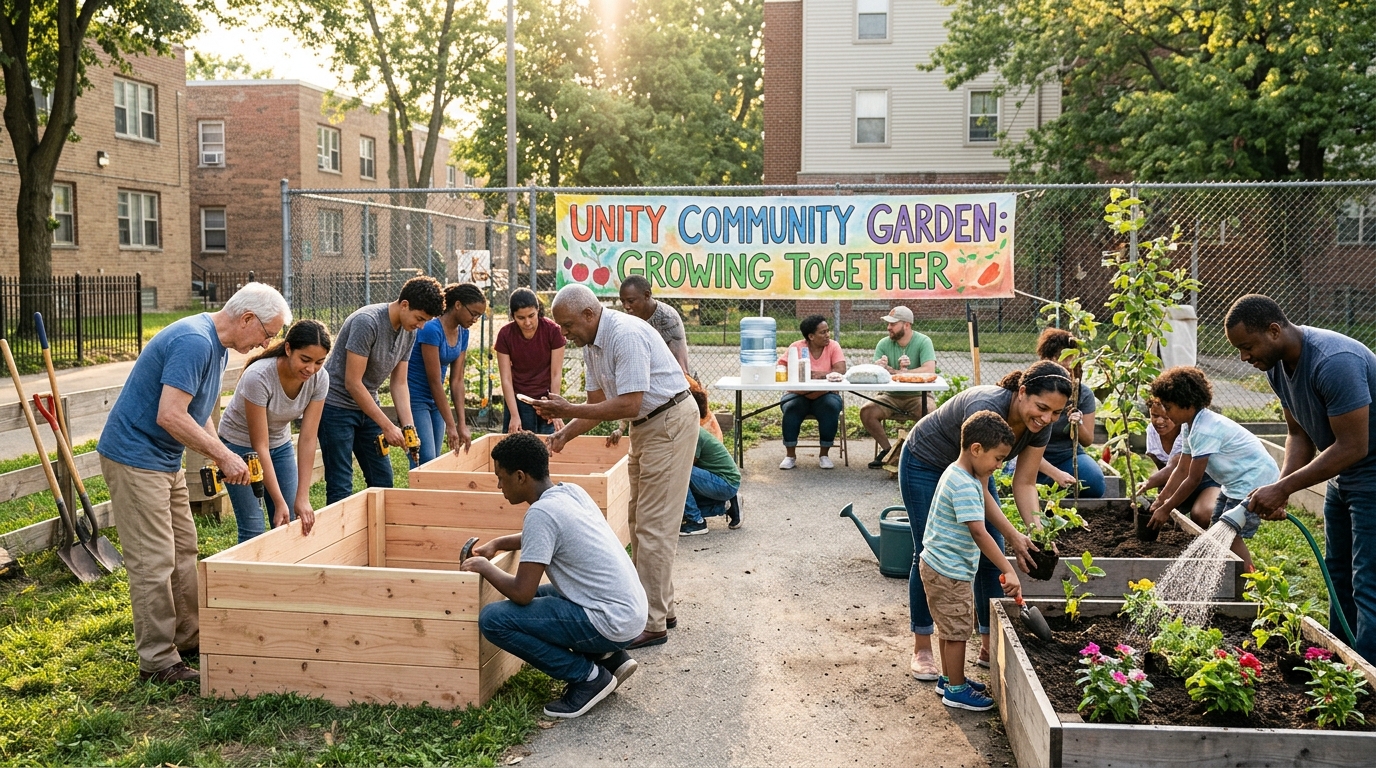
A strong community fosters belonging, encourages collaboration, and drives collective growth. By prioritizing clear communication, inclusivity, and shared values, leaders can create supportive environments where individuals thrive. Learn essential strategies to build lasting and meaningful community connections starting right today.
Human beings are naturally wired for connection. We seek out groups where we feel understood, valued, and safe to share our ideas. Building a supportive community environment satisfies this fundamental psychological need. When individuals feel they belong to a cohesive group, they are far more likely to contribute meaningfully, support their peers, and remain engaged over the long term.
Creating this kind of environment does not happen by accident. It requires planning, consistent effort, and a deep understanding of human dynamics. Leaders and organizers must lay down a framework of trust. They need to establish clear norms, encourage open dialogue, and actively dismantle barriers that prevent participation.
Laying the Groundwork for Connection
Every successful community starts with a clear purpose. People need to understand why the group exists and what it hopes to achieve. A well-defined mission acts as a magnet, attracting individuals who share similar goals and passions.
Define Core Values
Values serve as the behavioural compass for your group. Outline three to five core principles that dictate how members should interact. If respect, continuous learning, and transparency are your pillars, explicitly state them. Embed these values into your onboarding process. When new members join, they should immediately understand the culture you are trying to cultivate.
Establish Clear Guidelines
A safe environment requires boundaries. Create a code of conduct that clearly outlines acceptable behaviours and the consequences for violating them. This document protects marginalized voices and ensures everyone feels secure enough to participate. Make the guidelines easily accessible and enforce them fairly across the board.
Fostering Inclusivity and Belonging
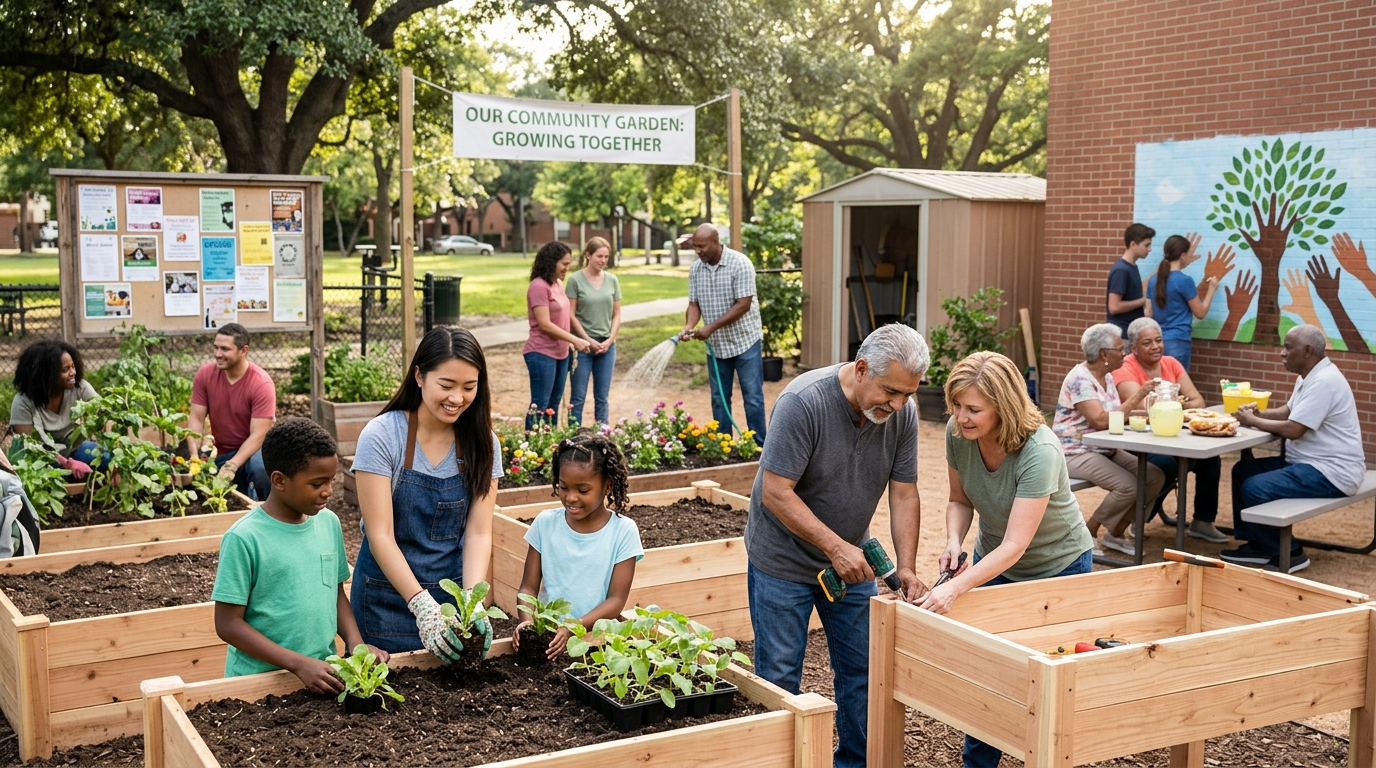
Diversity strengthens a community by introducing multiple perspectives and problem-solving approaches. However, diversity only works when paired with genuine inclusion.
Create Welcoming Rituals
First impressions matter. Design a structured onboarding experience for new arrivals. Introduce them to key members, provide a tour of the platform or physical space, and assign them a mentor or buddy. A warm welcome significantly reduces the anxiety of joining a new group.
Elevate Quiet Voices
In any group, extroverted individuals tend to dominate the conversation. Facilitators must actively create space for quieter members to share their thoughts. Use asynchronous communication methods, like polls or written feedback forms, to allow people to process information and respond at their own pace. Acknowledge and praise contributions from less vocal members to build their confidence.
Effective Communication Strategies
Transparent communication builds trust. When leaders keep the community informed, rumours and misunderstandings disappear.
Maintain Consistent Updates
Share news, successes, and challenges regularly. Use newsletters, weekly announcements, or town hall meetings to keep everyone aligned. Highlight community achievements to build collective pride. Learn more about 10 Digital Listening Techniques to Elevate Your Online Relationships.
Practice Active Listening
Listening is a highly active process. Ask open-ended questions and carefully consider the responses. Host feedback sessions where members can voice their concerns without fear of retaliation. Implement changes based on this feedback to demonstrate that you truly value their input.
Empowering Community Members
A community cannot rely entirely on a single leader or a small management team. Long-term sustainability requires decentralized leadership.
Encourage Peer Support
Designate spaces where members can help one another. Forums, peer-mentorship programs, and study groups allow individuals to share their expertise. When members solve problems together, their bonds strengthen.
Delegate Responsibilities
Give people a sense of ownership. Ask enthusiastic members to moderate discussions, organize local events, or write content. Providing leadership opportunities keeps highly engaged members motivated and invested in the group’s success.
Building Trust Through Transparency
Trust is the foundation of any supportive community. Members need to feel confident that leadership is honest and consistent in decisions. Share updates openly, admit mistakes, and provide clarity on changes. Transparency reduces uncertainty and builds credibility. When members see fairness in actions, they are more likely to engage and contribute. Leaders should also encourage open dialogue where members can ask questions freely. This two-way communication strengthens relationships and prevents misunderstandings. Over time, trust creates a safe environment where individuals feel valued and empowered to participate actively in the community.
Encouraging Collaboration and Teamwork
A thriving community promotes collaboration rather than competition. Creating opportunities for teamwork helps members connect and build meaningful relationships. Group projects, discussions, and shared goals encourage participation and mutual support. When people work together, they exchange ideas, solve problems, and develop stronger bonds. Leaders can facilitate collaboration by organizing events, challenges, or brainstorming sessions. Recognizing team achievements also reinforces unity. Collaboration not only improves productivity but also strengthens the sense of belonging. When members feel they are part of something bigger, they become more invested in the community’s success.
Creating Safe Spaces for Expression
A supportive environment allows members to express themselves without fear of judgment. Psychological safety is essential for open communication and creativity. Leaders should establish clear rules against discrimination, harassment, and negativity. Encourage respectful discussions where diverse opinions are welcomed. Moderation plays a key role in maintaining this balance. When members feel safe, they are more likely to share ideas, ask questions, and engage deeply. Safe spaces also promote emotional wellbeing, making the community a place where individuals can grow personally and socially without hesitation.
Recognizing and Rewarding Contributions
Acknowledging member contributions boosts motivation and engagement. Simple recognition, such as shoutouts, badges, or rewards, can make individuals feel appreciated. Highlighting achievements encourages others to participate actively. Communities thrive when members feel their efforts matter. Leaders should create systems to celebrate milestones, whether big or small. This could include recognizing helpful advice, consistent participation, or creative input. Rewards do not always have to be material; appreciation and visibility often have a stronger impact. A culture of recognition fosters positivity and encourages continuous contribution.
Leveraging Technology for Community Growth
Technology plays a crucial role in modern community building. Platforms with features like forums, chat systems, and event tools make interaction easier and more engaging. Automation can simplify tasks such as onboarding and communication. Analytics tools help track engagement and identify areas for improvement. Choosing the right platform ensures smooth user experience and accessibility. Leaders should regularly update tools to meet evolving needs. Technology not only enhances communication but also helps scale the community effectively while maintaining strong connections among members.
Promoting Continuous Learning and Development
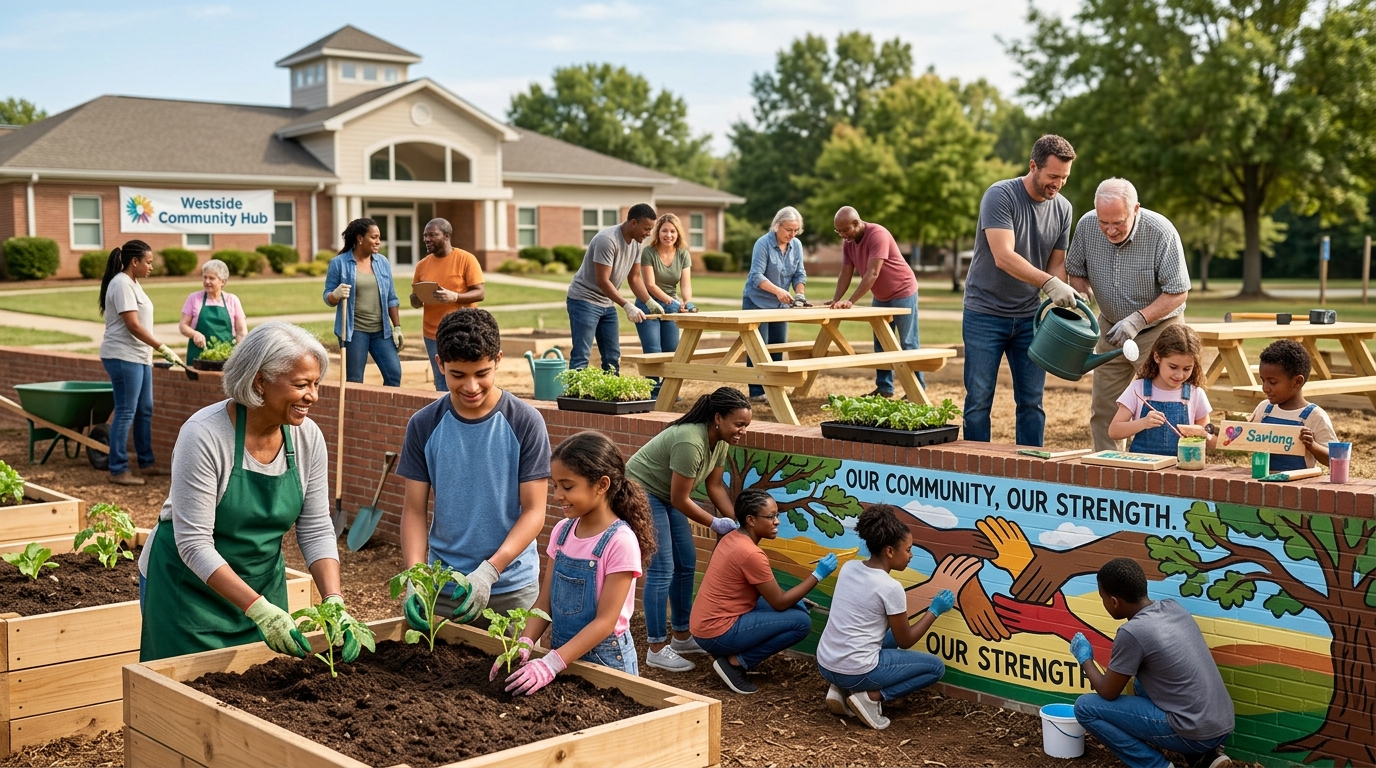
Communities that focus on growth keep members engaged long-term. Offering workshops, webinars, and knowledge-sharing sessions adds value. Encourage members to share expertise and learn from each other. This creates an environment where everyone benefits. Learning opportunities foster personal and professional development, making the community more meaningful. Leaders can invite experts or organize skill-building sessions. When members see tangible benefits, they remain active and committed. A learning-focused community becomes a hub for innovation, creativity, and continuous improvement. Learn more about
Sustaining Long-Term Community Engagement
Maintaining engagement over time requires consistent effort and adaptability. Regular activities, fresh content, and interactive events keep the community active. Leaders should monitor feedback and adjust strategies accordingly. Avoid stagnation by introducing new ideas and formats. Building strong relationships among members also increases retention. Encourage ongoing participation through meaningful interactions rather than forced engagement. A sustainable community evolves with its members’ needs. By staying responsive and proactive, leaders can ensure long-term success and a thriving, supportive environment.
Frequently Asked Questions (FAQ)
1. What are the first steps to starting a new community?
The very first step is defining your core purpose and target audience. Understand exactly who you want to bring together and why they would want to gather. Next, choose a suitable platform, whether that is a digital forum, a social media group, or a physical meeting space. Finally, draft your community guidelines and invite a small, foundational group of engaged individuals to help you set the tone before opening it up to a wider audience.
2. How do you handle toxic behavior in a group setting?
Address toxic behavior immediately and privately. Refer the individual to the established code of conduct and explain exactly how their behavior violated the rules. Give them an opportunity to correct their actions. If the behavior continues or if the initial offense is severe, remove the individual from the group. Protecting the psychological safety of the wider community must always be your top priority.
3. What is the best way to keep members engaged over time?
Consistent engagement requires variety and value. Host regular events such as guest speaker sessions, workshops, or casual networking hours. Gamify participation by acknowledging top contributors with badges or public shoutouts. Most importantly, ensure the community consistently solves a problem or provides clear value to its members.
4. How can leaders prevent community burnout?
Leaders prevent burnout by delegating tasks and empowering volunteer moderators. Distribute the workload so no single person carries the entire burden of managing the group. Set strict boundaries regarding your own availability. Automate repetitive tasks, such as onboarding emails or event reminders, using community management software.
5. How do you measure the success of a community?
Success metrics depend on your community’s goals. Common quantitative metrics include active daily users, event attendance, and content engagement rates. Qualitative metrics are equally important. Conduct regular sentiment surveys to gauge member satisfaction, sense of belonging, and the perceived value of the group.
6. Can an online community be as supportive as an in-person one?
Yes, online communities can provide immense support. While they lack physical proximity, digital groups offer unique advantages, such as connecting people across geographic boundaries who share highly specific niche interests. Features like video calls, direct messaging, and voice channels can foster deep emotional connections.
7. How do you encourage members to start their own discussions?
Overcome the “blank page” syndrome by posting regular prompts or questions. Create specific channels dedicated to casual conversations or off-topic interests. Acknowledge and reward members who start high-quality threads. When members see that their initiatives are celebrated, they are more likely to take the lead.
8. Why do some communities fail after a few months?
Communities typically fail due to a lack of clear purpose, poor moderation, or leader abandonment. If the group fails to provide ongoing value, members will simply leave. Additionally, allowing toxic behavior to go unchecked will quickly drive away your most valuable contributors.
9. How important is a dedicated community manager?
A dedicated community manager is highly critical for large or growing groups. This role ensures consistent moderation, plans engaging programming, and acts as the bridge between the community and organizational leadership. For smaller groups, passionate volunteers can handle these duties, but a dedicated professional brings strategic focus.
10. What role does shared identity play in community building?
Shared identity is the glue that holds a community together. It creates a sense of “us.” When members share a common label, goal, or set of experiences, they feel a stronger obligation to support one another. Leaders can strengthen this identity through shared rituals, inside jokes, and collaborative goals.
The Path Forward for Community Leaders
Building a vibrant, supportive environment takes patience, dedication, and a genuine interest in human connection. You cannot force a community to thrive, but you can create the ideal conditions for organic growth. Start by deeply understanding the needs of your members. Draft clear guidelines, encourage open communication, and aggressively protect the safety of your space. As trust deepens, step back and empower your members to take ownership of their shared environment. By consistently prioritizing inclusivity and respect, you will cultivate a powerful network that enriches the lives of everyone involved.



Leave a Reply