

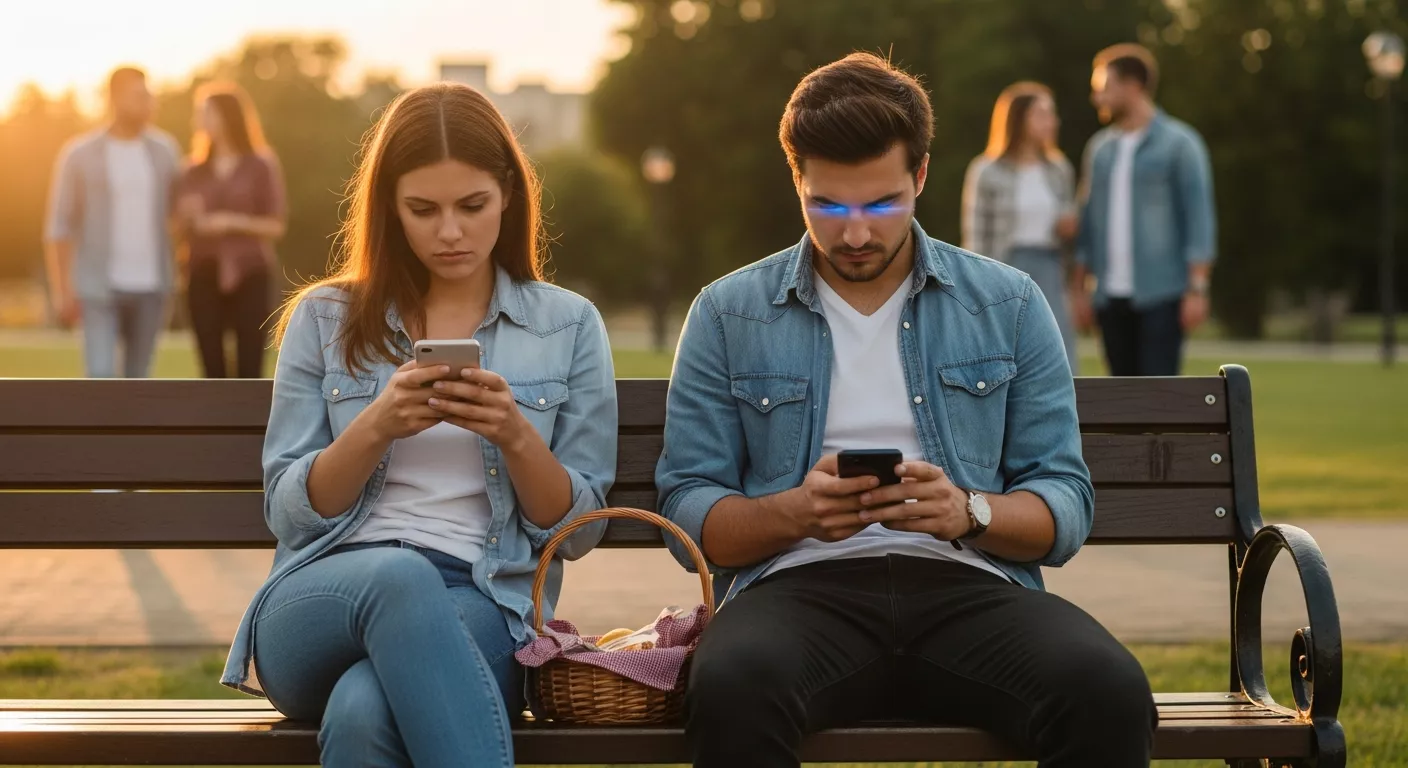
Social networking creates an illusion of connection while weakening real relationships through comparison, distraction, and reduced communication. By understanding these impacts and setting boundaries, individuals can protect emotional intimacy and rebuild meaningful, authentic connections in their personal lives.
We spend hours scrolling through feeds, liking photos, and sending quick replies, believing we are staying connected to the people who matter most. Technology promised to bring us closer together, bridging geographical divides and making communication effortless. However, a closer look at our daily interactions reveals a different reality. The digital platforms designed to foster community often create emotional distance between partners, family members, and close friends.
The negative effects of social networking on relationships are becoming impossible to ignore. Couples sit at the same dinner table, glowing screens illuminating their faces, entirely absorbed in separate digital universes. Friendships are maintained through occasional double-taps rather than meaningful conversations. This shift in how we interact is fundamentally altering the foundations of human connection, intimacy, and trust.
Understanding how these platforms impact our bonds is the first step toward reclaiming genuine intimacy. By examining the ways social media alters our behaviour, we can learn to protect our most valuable connections from the subtle erosion caused by constant digital engagement.
The Illusion of Connection

Social media provides a constant stream of updates about the lives of our peers. We know what our friends ate for breakfast, where our coworkers went on vacation, and the exact milestone a relative’s child just reached. This constant influx of information creates a false sense of intimacy. Learn more about How Social Media Affects Relationships and Friendships.
Quantity Over Quality
Platforms reward volume. Having hundreds or thousands of connections feels like a social achievement. We end up spreading our emotional energy thinly across a vast network of acquaintances, leaving less time and energy for the relationships that truly require deep, sustained attention. A text message or a brief comment on a photo replaces a phone call or a face-to-face meeting. Over time, the depth of our primary relationships suffers because we are exhausted by the sheer volume of micro-interactions we manage online.
Surface-Level Interactions
Digital communication lacks the nuances of face-to-face interaction. Tone of voice, body language, and eye contact are entirely absent. When we rely primarily on social networking to maintain relationships, we miss out on the emotional resonance that builds true empathy. A heart emoji is a poor substitute for a comforting hug or an attentive ear during a moment of crisis.
The Comparison Trap
One of the most profound negative effects of social networking on relationships is the tendency to compare our behind-the-scenes reality with everyone else’s highlight reel. People curate their online personas to showcase their happiest moments, best angles, and grandest romantic gestures.
Highlight Reels vs. Reality
When you scroll through images of couples on exotic vacations or exchanging lavish gifts, it is incredibly easy to look at your own relationship and feel it is lacking. You might begin to question why your partner isn’t as outwardly affectionate or why your life seems mundane by comparison. This skewed perception fosters a quiet dissatisfaction that can slowly poison a healthy partnership.
Resentment and Jealousy
Unrealistic expectations inevitably lead to resentment. A partner might feel immense pressure to perform for the camera to prove the relationship’s worth to the digital world. The focus shifts from enjoying a moment together to ensuring the moment is properly documented and validated by an audience. This dynamic breeds jealousy and insecurity, moving the relationship’s center of gravity from internal mutual satisfaction to external public approval.
Phubbing: The Silent Relationship Killer
“Phubbing”—the act of snubbing someone in a social setting by looking at your phone instead of paying attention—has become a pervasive issue in modern relationships.
The Disconnect at the Dinner Table
You are telling your partner about a difficult day at work, and halfway through your sentence, their eyes dart down to a vibrating screen. They murmur a distracted response while typing a reply to someone else. This scenario plays out in living rooms and restaurants globally. Phubbing creates an immediate barrier. It signals to the person speaking that whatever is happening on the screen is more important than their physical presence.
Emotional Neglect
Frequent phubbing leads to chronic emotional neglect. Humans require active listening and engagement to feel valued. When a screen constantly interrupts the flow of conversation, intimacy cannot flourish. The person being phubbed often feels rejected, unimportant, and isolated within their own relationship. Over months and years, this lack of presence can lead to severe emotional detachment.
Trust Issues and Surveillance
Social networking introduces unprecedented opportunities for suspicion and surveillance within romantic partnerships. The boundaries of privacy and transparency are often blurred, leading to toxic dynamics.
The Temptation to Snoop
In previous decades, investigating a partner’s private interactions required significant effort. Now, their entire social life is accessible through a device left on the nightstand. The temptation to check a partner’s likes, comments, and direct messages can overwhelm people who struggle with insecurity. This constant monitoring is exhausting and creates an environment devoid of foundational trust.
Micro-Cheating and Blurred Lines
Social media platforms facilitate “micro-cheating,” a series of seemingly small actions that border on emotional infidelity. This might include secretly messaging an ex-partner, consistently engaging playfully with a specific person’s content, or maintaining an active dating profile “just to look.” Because these actions often happen in private digital spaces, they create a grey area that complicates relationship boundaries. When discovered, these digital behaviours inflict the same emotional damage as physical betrayal.
The Impact on Mental Health and Conflict Resolution
The emotional toll of social networking extends beyond direct relationship dynamics into individual mental health, which inevitably impacts how couples resolve conflicts.
Anxiety and Depression Overflowing
Heavy social media use is strongly linked to increased rates of anxiety, depression, and poor sleep quality. When individuals carry this mental health burden into their relationships, they are less equipped to handle stress, communicate effectively, or offer emotional support to their partner. A depressed or anxious partner may withdraw, creating further distance.
Avoiding Real-Life Confrontation
Social media enables avoidant behaviour. Instead of addressing a conflict directly, individuals might post vague, passive-aggressive quotes, change their relationship status abruptly, or block their partner. This digital stonewalling prevents healthy conflict resolution. It escalates minor misunderstandings into public spectacles, drawing friends and family into private disputes and making reconciliation much more difficult.
Digital Dependency in Daily Life
Constant checking of notifications creates a subtle but powerful dependency on digital interaction. Many people feel an urge to check their phones even in the middle of conversations, meals, or shared activities. Over time, this habit trains the brain to prioritize instant updates over real-world presence. The result is a reduced ability to stay focused and engaged with loved ones. This dependency can create emotional distance, as partners or family members may feel they are competing with a screen for attention. What begins as a harmless habit can gradually erode the quality of everyday interactions.
Communication Breakdown Patterns
Over-reliance on messaging and social platforms weakens essential communication skills. Text-based conversations lack tone, facial expressions, and body language, making it easy to misinterpret meaning or intent. Small misunderstandings can quickly escalate into larger conflicts when clarity is missing. Additionally, people may avoid difficult conversations altogether by hiding behind digital communication. This avoidance prevents honest dialogue and emotional resolution. Over time, the lack of clear, open communication can damage trust and make relationships feel shallow or strained.
Loss of Meaningful Shared Moments
In the age of social media, many shared experiences are interrupted by the need to capture and post them online. Instead of being fully present, individuals often focus on taking the perfect photo or crafting the right caption. This shift in attention reduces the emotional impact of the moment itself. Genuine connection comes from shared presence, not from how an experience is presented to others. When moments are constantly filtered through a screen, they lose their authenticity, and the bond between people can weaken as a result.
Privacy Boundaries Eroding
Social networking has blurred the lines between private and public life, especially in relationships. Sharing personal moments, arguments, or milestones online invites opinions and judgments from others who are not directly involved. This external input can create unnecessary tension and pressure between partners. What should remain a private matter can quickly become a public discussion. Maintaining clear boundaries around what is shared online is essential to protecting the integrity and trust within a relationship.
Addiction to Validation
The structure of social media platforms encourages users to seek validation through likes, comments, and shares. This constant feedback loop can become addictive, leading individuals to measure their self-worth and relationship value based on external approval. Instead of focusing on genuine connection, people may prioritize content that gains attention. This shift can distort priorities, making relationships feel performative rather than authentic. Over time, dependence on validation can weaken emotional intimacy and create insecurity within partnerships.
Reduced Emotional Availability

Frequent social media use can significantly reduce emotional availability in relationships. When attention is divided between a partner and a digital feed, meaningful engagement becomes limited. Active listening, empathy, and emotional responsiveness require full presence, which is often compromised by constant scrolling or notifications. Partners may begin to feel ignored, undervalued, or disconnected. As emotional availability decreases, so does the depth of the relationship. Rebuilding this connection requires intentional effort to be present and fully engaged in shared moments.
Frequently Asked Questions
1. What is “phubbing” and how does it affect relationships?
Phubbing is the practice of ignoring a companion or partner to pay attention to a smartphone. It affects relationships by decreasing marital satisfaction and making the ignored partner feel undervalued, unheard, and emotionally disconnected. Frequent phubbing stops deep conversations before they can begin, stunting intimacy.
2. Does social media cause trust issues in relationships?
Social media does not inherently create trust issues, but it acts as a catalyst for existing insecurities. It provides easy access to a partner’s interactions with others, making it simple to misinterpret innocent comments or fall into the habit of digital surveillance, which quickly erodes trust.
3. How does the comparison trap on social media impact romantic partnerships?
Couples often compare their everyday lives to the curated, idealized versions of other relationships seen online. This leads to feelings of inadequacy, unrealistic expectations, and dissatisfaction. Partners may feel they are failing if they aren’t experiencing the constant romance projected by influencers and peers.
4. Can social networking lead to infidelity?
Social networking provides easy access to ex-partners and new acquaintances, lowering the barrier to entry for inappropriate conversations. It facilitates “micro-cheating”—small breaches of trust like secret messaging or inappropriate emotional sharing—which can escalate into full-blown emotional or physical infidelity.
5. What are the signs that social media is ruining my relationship?
Signs include spending more time looking at screens than at each other, arguing frequently about who the other person is messaging or liking, feeling a need to hide digital activity, prioritizing taking photos for the internet over enjoying the moment, and feeling lonely even when in the same room.
6. How can couples set healthy boundaries around social networking?
Couples can establish device-free zones, such as the bedroom or the dinner table. They can also agree on transparency regarding who they talk to online, commit to leaving phones out of sight during dates, and openly discuss what behaviors (like commenting on an ex’s photos) are unacceptable.
7. Is it normal to feel jealous of a partner’s social media activity?
Feeling a pang of jealousy is common, especially if a partner is directing significant attention toward someone else online. However, if this jealousy leads to obsessive checking, controlling behavior, or constant arguments, it is a sign that boundaries need to be discussed and trust needs to be rebuilt.
8. Does limiting screen time actually improve relationship satisfaction?
Yes. Studies consistently show that reducing screen time, particularly in the presence of a partner, leads to higher relationship satisfaction. It creates space for eye contact, meaningful conversation, and shared activities, which are the building blocks of a strong connection.
9. Why do people prefer social networking over face-to-face communication?
Social networking is heavily curated and controllable. You can edit a text, apply a filter to a photo, and pause before replying. Face-to-face communication is spontaneous, vulnerable, and requires immediate emotional processing, which some people find intimidating or exhausting.
10. How can we rebuild a connection after social media has damaged our relationship?
Rebuilding a connection requires a mutual acknowledgement of the problem. Couples should start by putting away their devices and engaging in dedicated, uninterrupted quality time. Professional counselling can also help couples navigate the trust issues and communication breakdowns caused by digital interference.
Reclaiming Your Relationship From the Screen
The negative effects of social networking on relationships do not have to be permanent. Awareness is the crucial mechanism for change. By recognizing the ways digital platforms foster comparison, distraction, and mistrust, couples can take intentional steps to protect their bond.
It requires a conscious effort to prioritize the person sitting in front of you over the endless scroll of an algorithmic feed. Put the phone down. Look your partner in the eyes. Have a conversation that cannot be captured in a 280-character post. The health of your relationship depends entirely on the real-world attention you are willing to give it. Start setting boundaries around your screen time today, and invest that reclaimed energy into building a lasting, authentic connection.



Leave a Reply